


Loopysue
Loopysue
About
- Username
- Loopysue
- Joined
- Visits
- 10,411
- Last Active
- Roles
- Member, ProFantasy
- Points
- 10,161
- Birthday
- June 29, 1966
- Location
- Dorset, England, UK
- Real Name
- Sue Daniel (aka 'Mouse')
- Rank
- Cartographer
- Badges
- 27
Latest Images
-
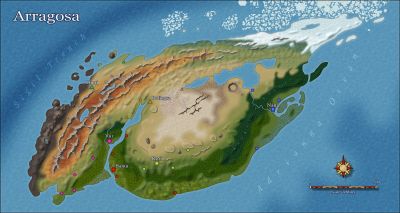
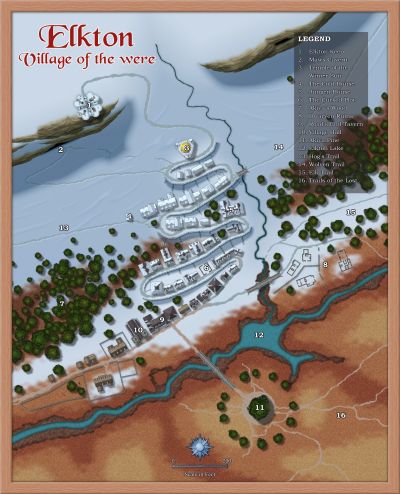
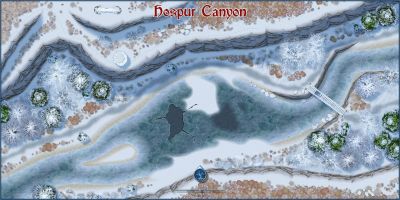
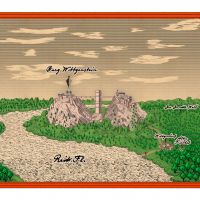
A Hand-Drawn Fantasy Map of Jack Vance's Dying Earth
I think you could make a beautiful map in any style ;) It just looks even better when you use a beautiful style.

-
A Hand-Drawn Fantasy Map of Jack Vance's Dying Earth
That's a really handsome looking map, Wyvern. Well drawn.
-
Live Mapping: Gritty SciFi Blueprints Prt 2
This week, Ralf will be picking up the live mapping with the Gritty SciFi Blueprints style where he had to interrupt it last week. So if you want to watch him complete the research station, join us tomorrow live on Youtube!
Come join in the chat. Date and time shown in the left margin :)
https://www.youtube.com/watch?v=zUTiZKXkI3o
Or you can watch it later if you wish.
This thread isn't monitored during the show, but is a better place to add comments and ask questions than Youtube, after the show is over.


-
How can I get an open Slope in Ferraris Style (Annual 2020)
Thanks, Morrgans :)
I came up with a solution for this map, but it might only work for this particular map, and it might break as you continue to add more details. It depends very much on where you go from here, but we can look at it again if necessary.
I created a second WATER sheet, called WATER (sea only), copied the sheet effects across from WATER, then copied just the sea parts of the water to it. This was to preserve the rivers and marshes. Moving them down the list by moving the original WATER sheet did bad things to your map.
Then, because CC doesn't react well to having the exact same shape with the exact same fill on different sheets I changed properties on the original sea polygons on the WATER sheet to a solid grey colour, knowing that they would be entirely covered by the new sea polygons on the new sheet.
However, even though at first glance it all looked great, zooming in to the coastline revealed that the rivers were now blocked by black lines - the dark glows on both WATER and WATER (sea only). So I removed the dark glows from the new WATER (sea only) sheet, and added a series of Edge Fade, Inner sheet effects to it so that the black line effect from the underlying (and now grey) original sea polygons on WATER were visible just around the edge but without revealing the grey polygons.
I had to move the deep water down so it still appeared on top of the new WATER (sea only) sheet.
Summary:
The original WATER sheet is exactly where it was but only has the rivers and marshes on it, with a grey copy of the sea. The WATER (deep) sheet has been moved right down the stack to stay on top of the new WATER (sea only) sheet, and I've moved the TEXT water names sheet down for the same reason - so the labels stay on top of the sea.
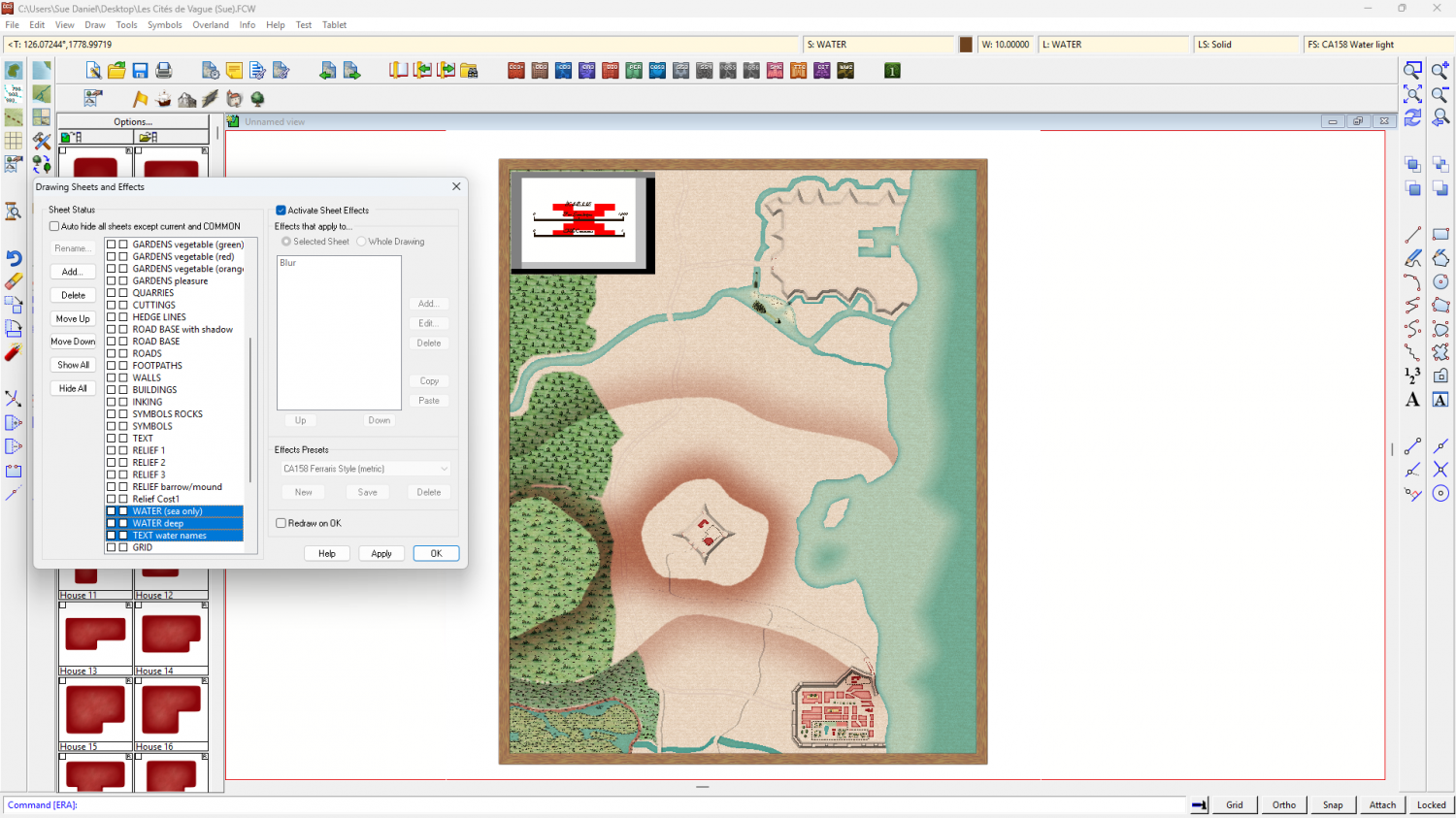
As I said at the outset, this is a 'here and now' fix and might break. But if it does cause problems as you map more details, shout again and we'll have another look at the situation.
-
How can I get an open Slope in Ferraris Style (Annual 2020)
I'm sorry you're having problems.
I don't think this is related to whether you have Win 10 or 11, but since I can't replicate any of these issues at all on either my PC or my laptop it's probably best to ask for help from Tech Support.