
Loopysue
Loopysue
About
- Username
- Loopysue
- Joined
- Visits
- 10,415
- Last Active
- Roles
- Member, ProFantasy
- Points
- 10,161
- Birthday
- June 29, 1966
- Location
- Dorset, England, UK
- Real Name
- Sue Daniel (aka 'Mouse')
- Rank
- Cartographer
- Badges
- 27
Latest Images
-
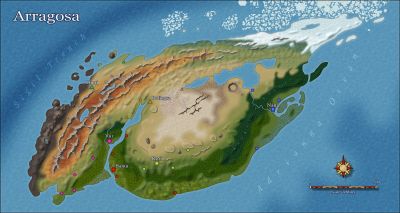
From Quillan to Montsegur
Lovely map, Prochaska :)
You could use a subtle form of coloured contour by adding a sheet with a small Blur effect on it and drawing polygons of 'Solid 10 Bitmap' fill if you feel the need to make higher altitudes paler, perhaps?

-
WIP Goldenlilly Dungeons
That grey overlay...
Have you considered using a nearly black one and adding a Blend mode set to Multipy and about 15-20% to that sheet?
The reason I say nearly black is because a true black one would probably interract unexpectedly with some of the dark glows. The darkest grey, or the darkest brown should be ok.
EDIT: You might also want to put a Blur on it after the Color Key and before the Blend Mode to take out any sharp edges.

-
WIP Goldenlilly Dungeons
I like the use of the floor textures.
Maybe put a small dark glow on those bars to make them stand up from the floor? Maybe not?

-
WIP: The Battle of the Lines
Have you done the EDITSHADING part of it all on page 6? If you didn't they will be different shades depending on which way around they are facing.
-
A Question about Political Borders
If you are using a drawing tool to draw the polygon it might be restricted to operate only within the map border. No need to redraw anything. Hide everything but the sheet the border is on and use the move node tool |CC2DYNEDIT| to pick and move the nodes beyond the map border sufficiently for the visible part not to show within the map.
The first move might be guesswork, but when you show everything again you can adjust the new positions of the nodes you have moved. You hide everything the first time you move them so you don't pick anything else that happens to be aligned with the map border.