

Royal Scribe
Royal Scribe
About
- Username
- Royal Scribe
- Joined
- Visits
- 9,942
- Last Active
- Roles
- Member
- Points
- 3,476
- Birthday
- February 5, 1968
- Location
- San Francisco, California
- Website
- https://legacy.drivethrurpg.com/browse/pub/31814/Royal-Scribe-Imaginarium
- Real Name
- Kevin
- Rank
- Mapmaker
- Badges
- 16
Latest Images
Reactions
-
[WIP] Zhao Guang Si monastery
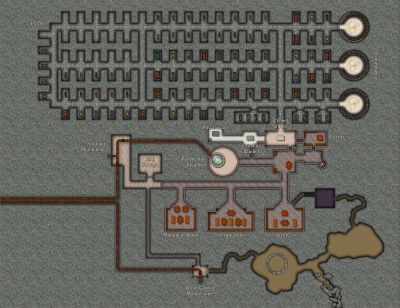
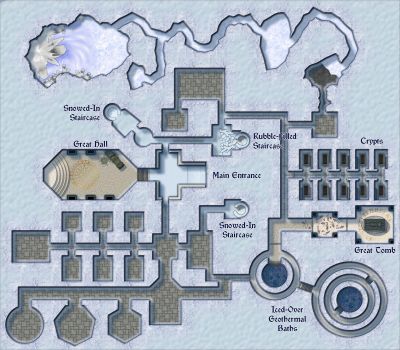
The trainees who survive still have two final tests before they graduate: the Trial of Fire and Ice, and the Trial of the Elements. Those who succeed at both trials will join the ranks of the monks of Zhao Guang Si. Those who fail are generally dead.
For the Trial of Fire and Ice, the initiate must climb the cliff walls without benefit of rope and then make their way through the Hu0 Yu Bing Caverns to the Labyrinth of Fire and Ice, a path magically made of ice and molten lava.
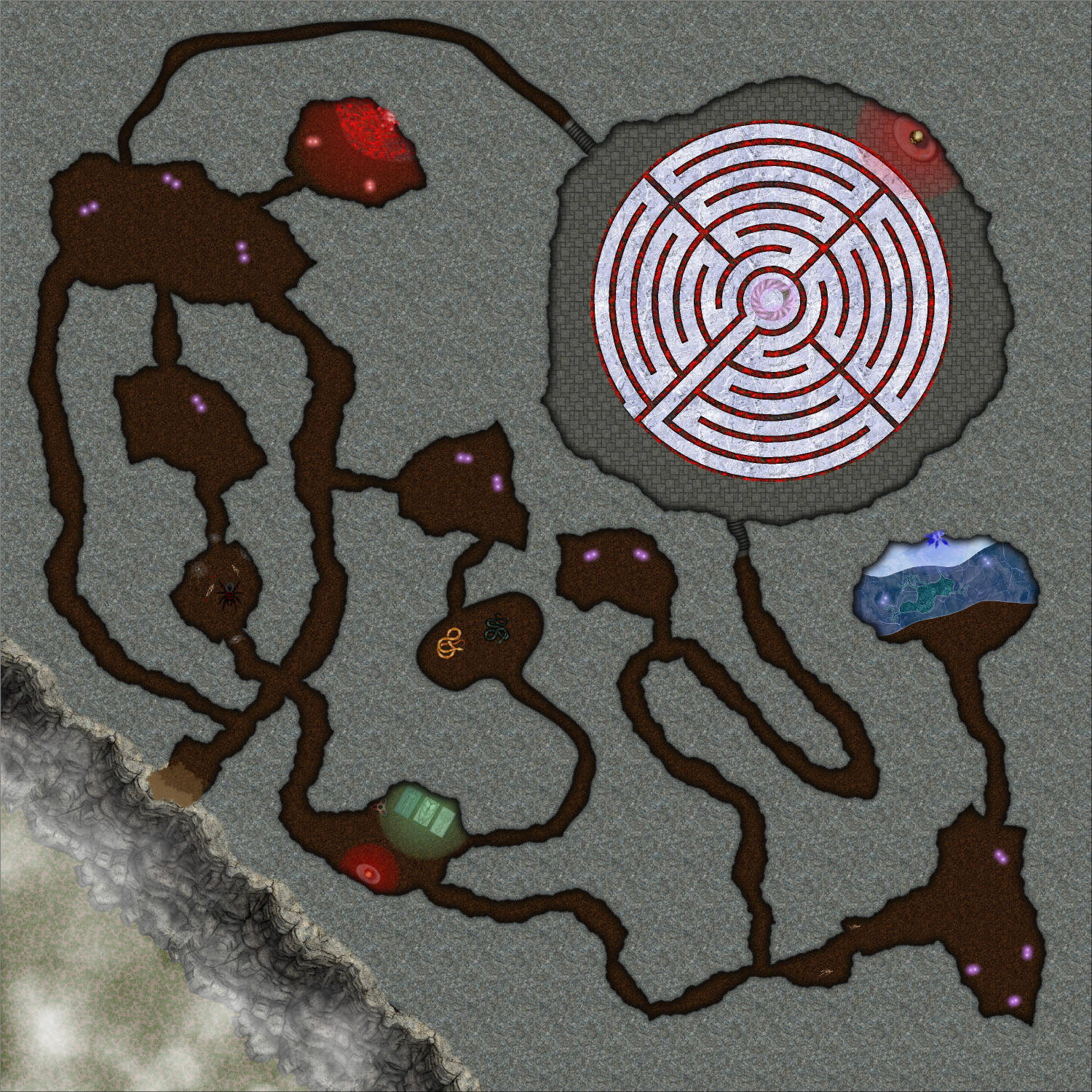
In addition to venomous snakes and giant spiders, the caverns are home to two undead perils as well. When a trainee dies in the caverns, their body is left to rot. Once the worms have picked the bones clean, their bones reanimate as a skeleton, and will attack the next trainees who enter. In addition, their spirits also haunt the caverns and can attack those who enter. (I used purple will-o-wisps to look like the spirits' eyes.)
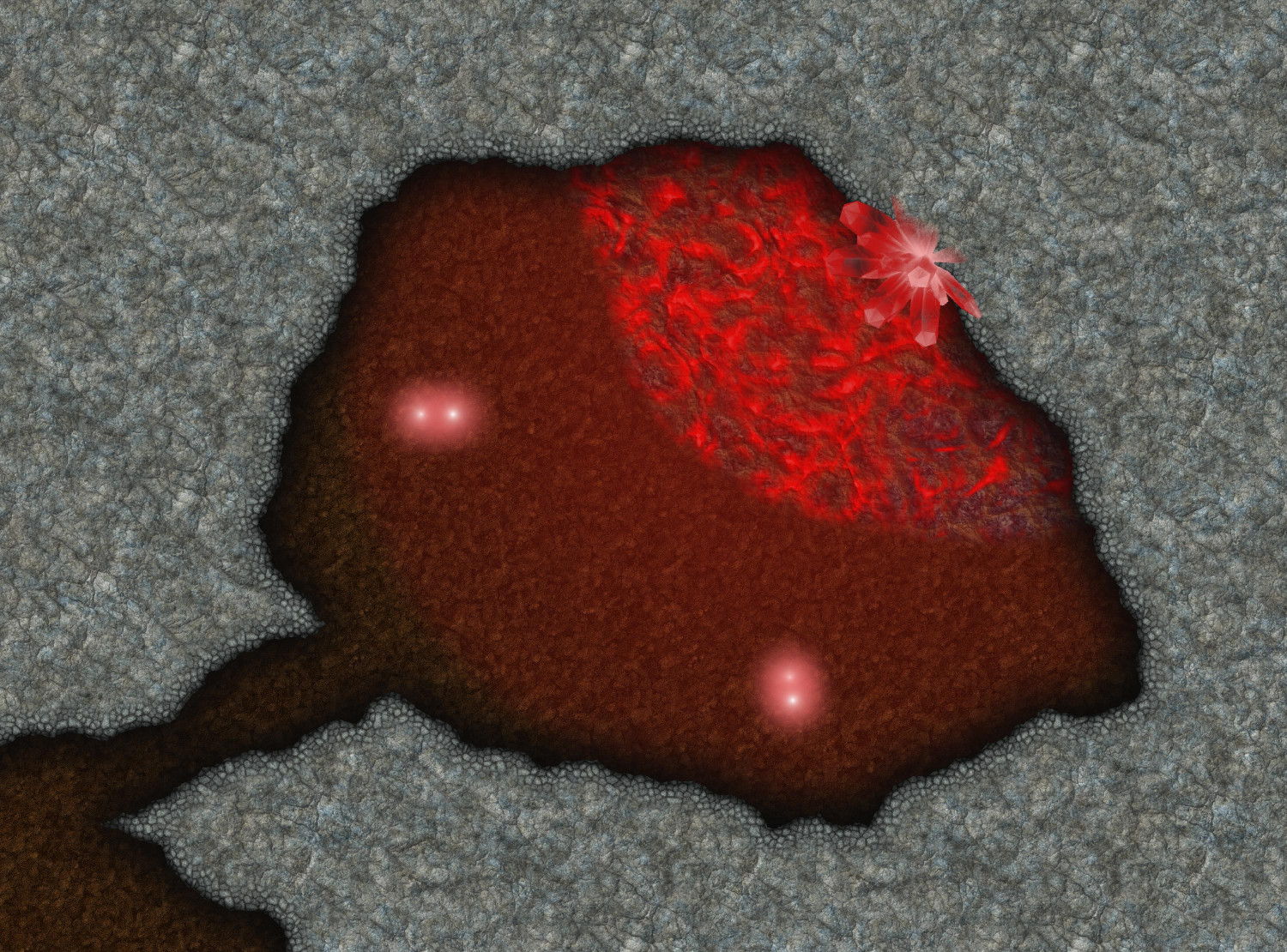
There are two magical shards of crystal that trainees can try to get, which will help with both the Labyrinth of Fire and Ice as well as with the Trial of the Elements. The first is a shard from a red crystal on the other side of a pool of lava. If the lava wasn't barrier enough, the room is also guarded by a pair of lesser demons.
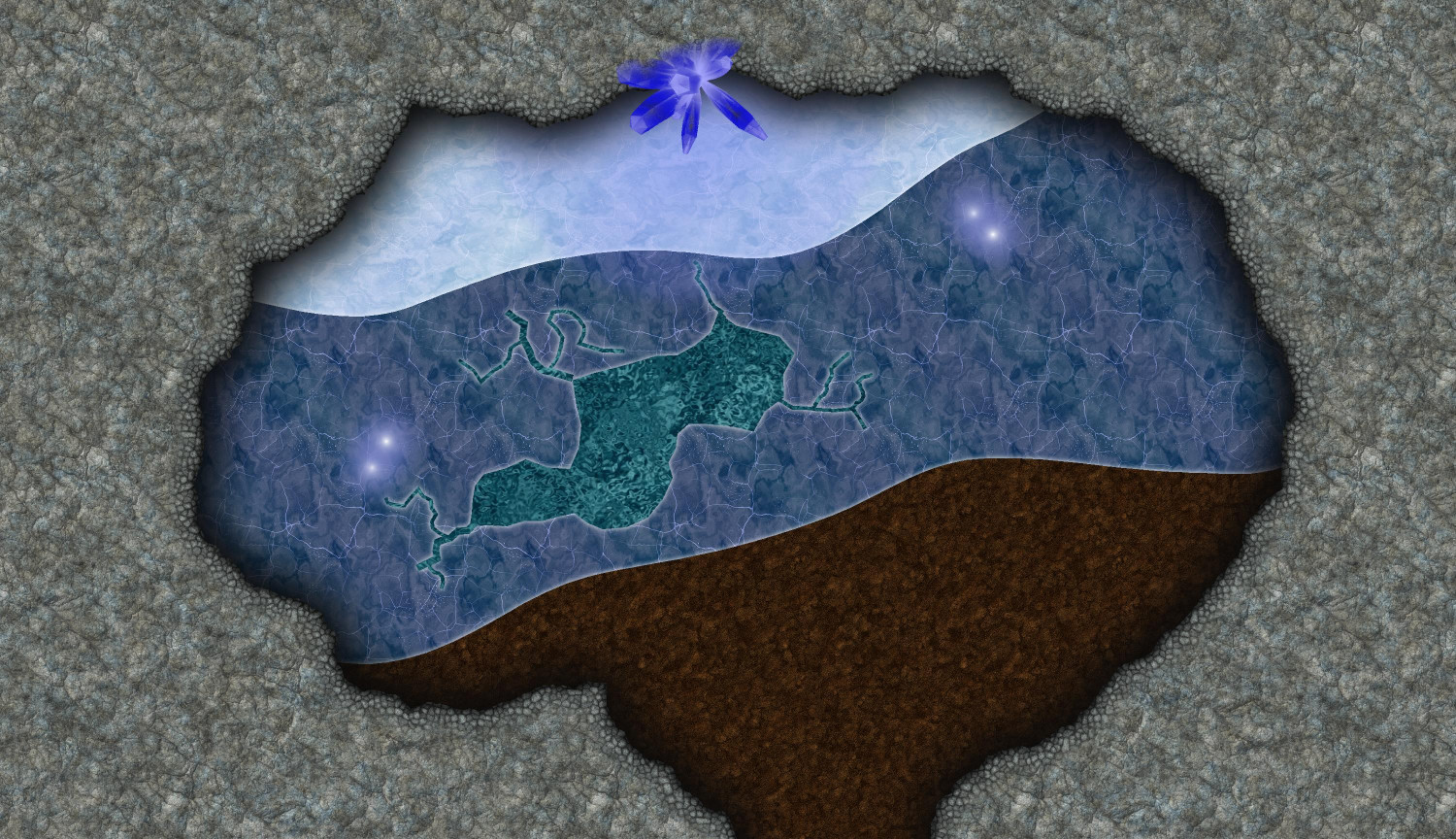
The second is a blue crystal on the other side of an icy lake in a room guarded by a pair of ice devils.
Trainees don't need to even try to get shards from either crystal, but they will sure help if they do.
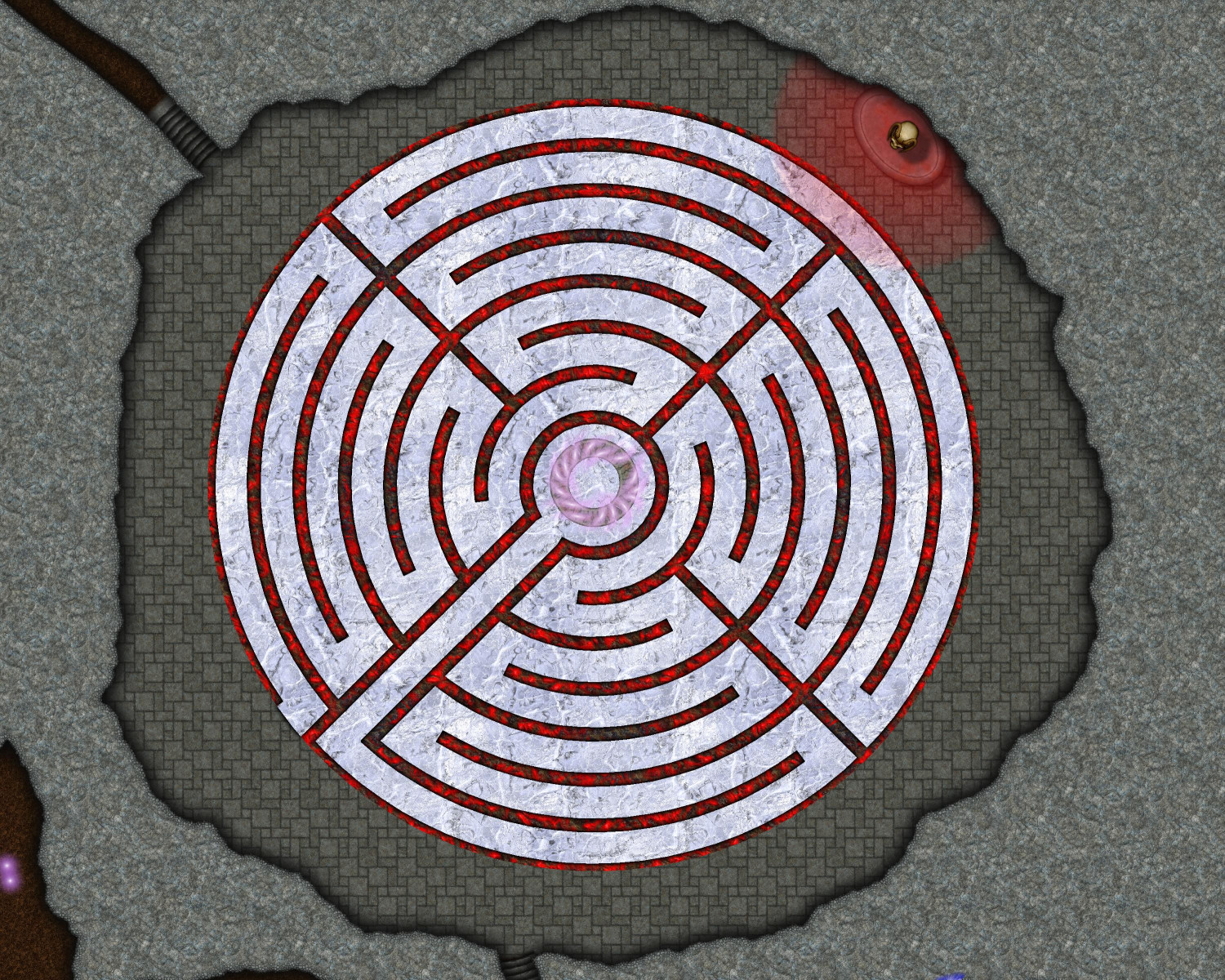
At the end of the caverns is the Labyrinth of Fire and Ice: an icy path marked by red hot lava. A statue on the other side of the room will animate when anyone enters, and tell them that the only exit is a teleportation portal in the center of the labyrinth. It will only activate for those who walk the path. If anyone attempts to bypass the path, it will not activate.
Every turn that a trainee walks the path, they must make a Constitution saving throw. Failing results in cold damage unless they possess a shard of the blue crystal. They must also make a Dexterity saving throw every turn. Failing means they slip and touch the lava, resulting in fire damage unless they possess the red shard.
If they make it to the teleportation circle in the center, they are teleported to the Trial of the Elements.



-
[WIP] The Octopus' Garden
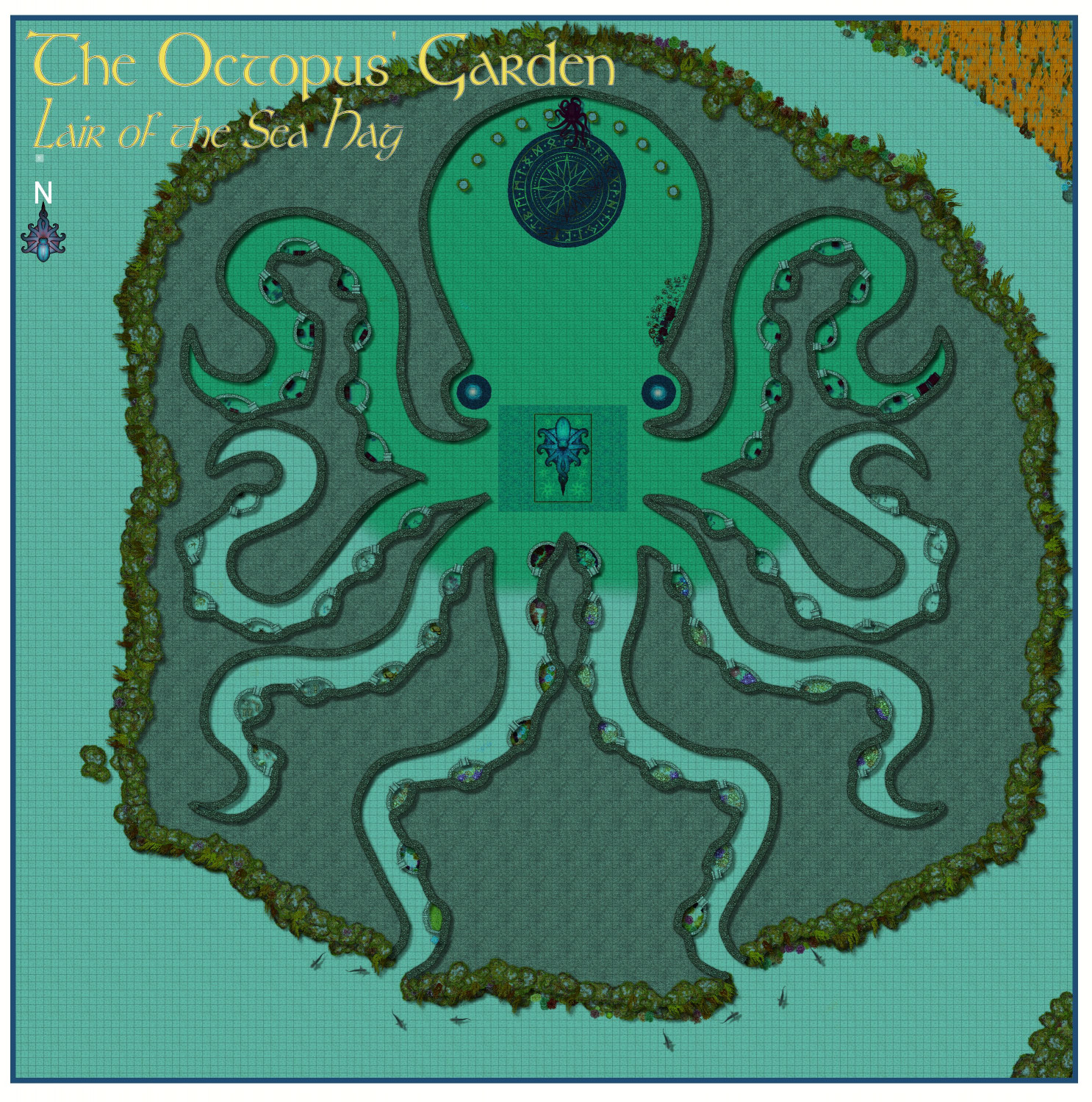
Thank you! I definitely plan to submit this one to the Atlas. Nothing would please me more than to get a message from a stranger saying they used it in their campaign, and all of the antics that ensued.
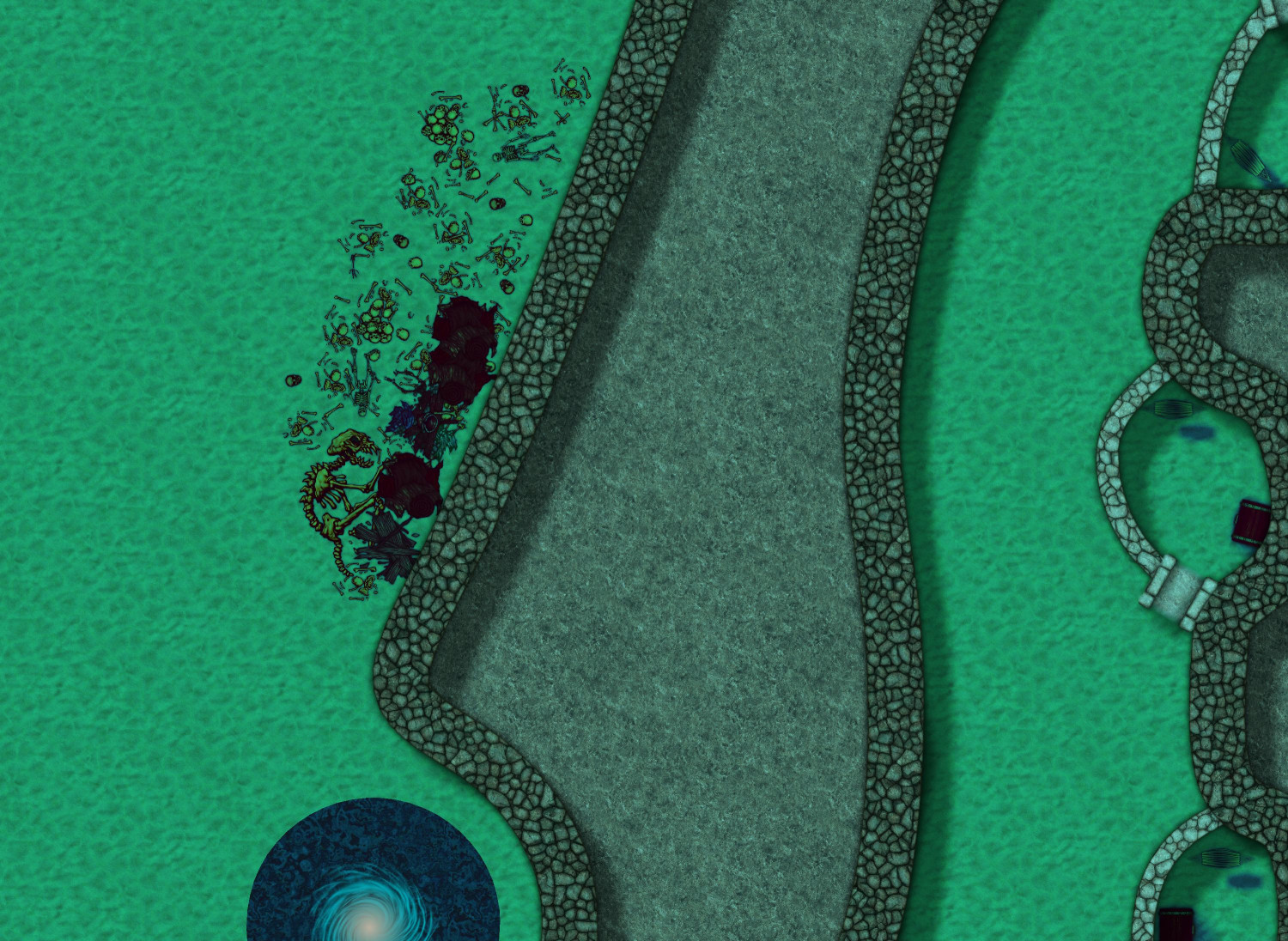
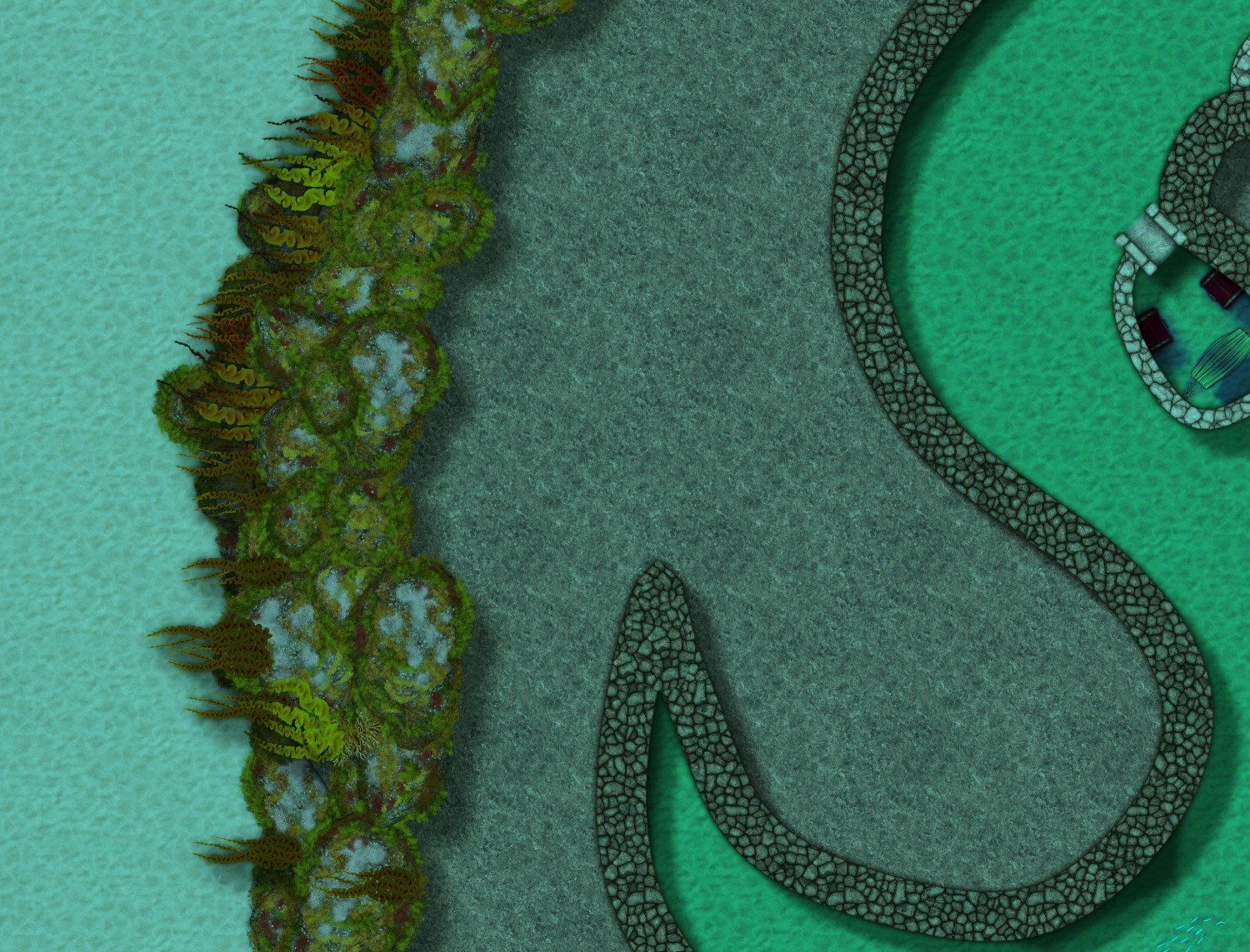
Here's what I've done with adding murkiness to the heart of the Sea Hag's lair, and softening the cliff edges with weeds and rocks and weedy rocks. Oh, and a pile of bones and other debris.

-
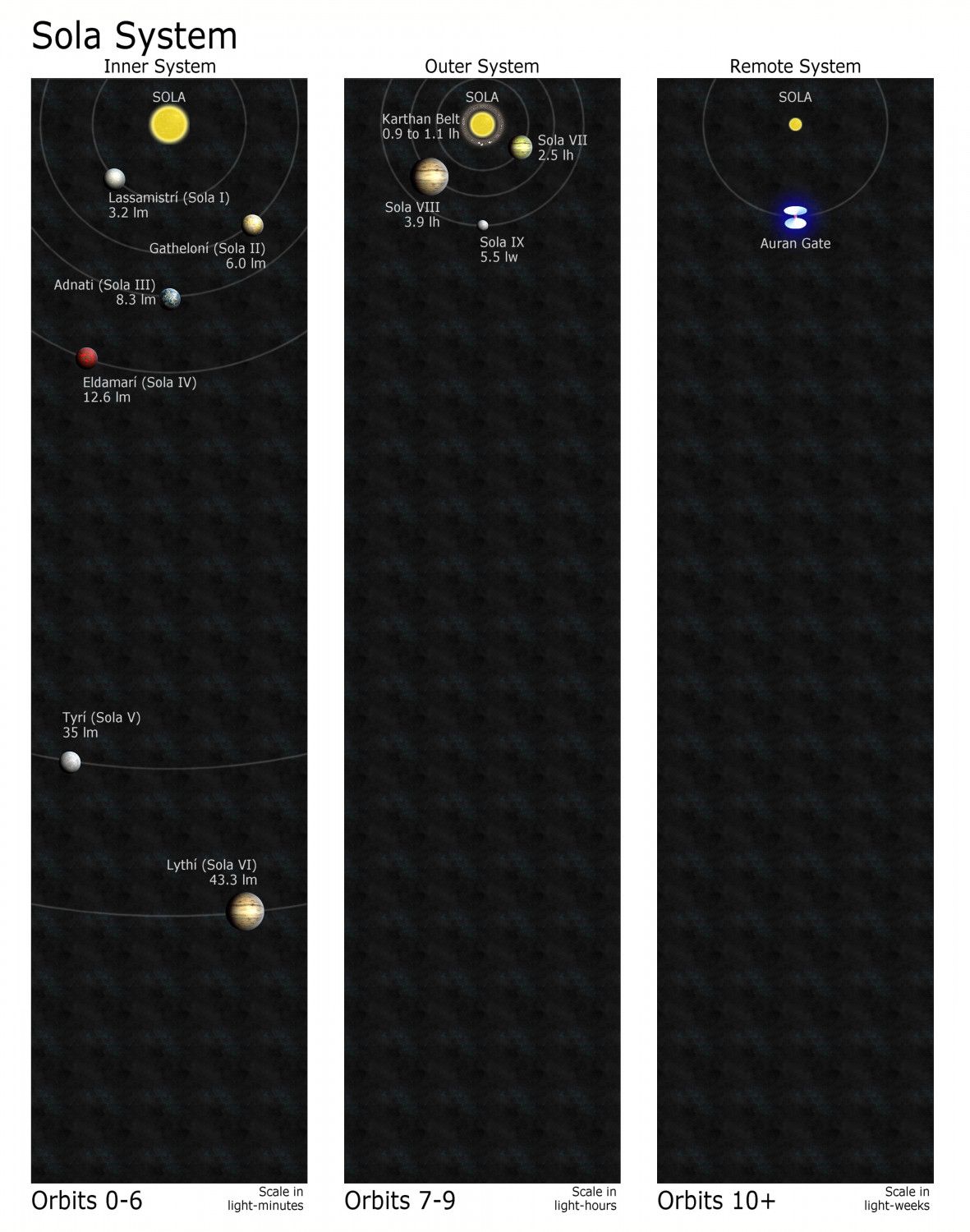
The Sola System: Adnati's star and celestial neighbors
A few tweaks, including increasing the size of the wormhole and adding a glow.



-
[WIP] Community Atlas - Rhaghiant (western Doriant)
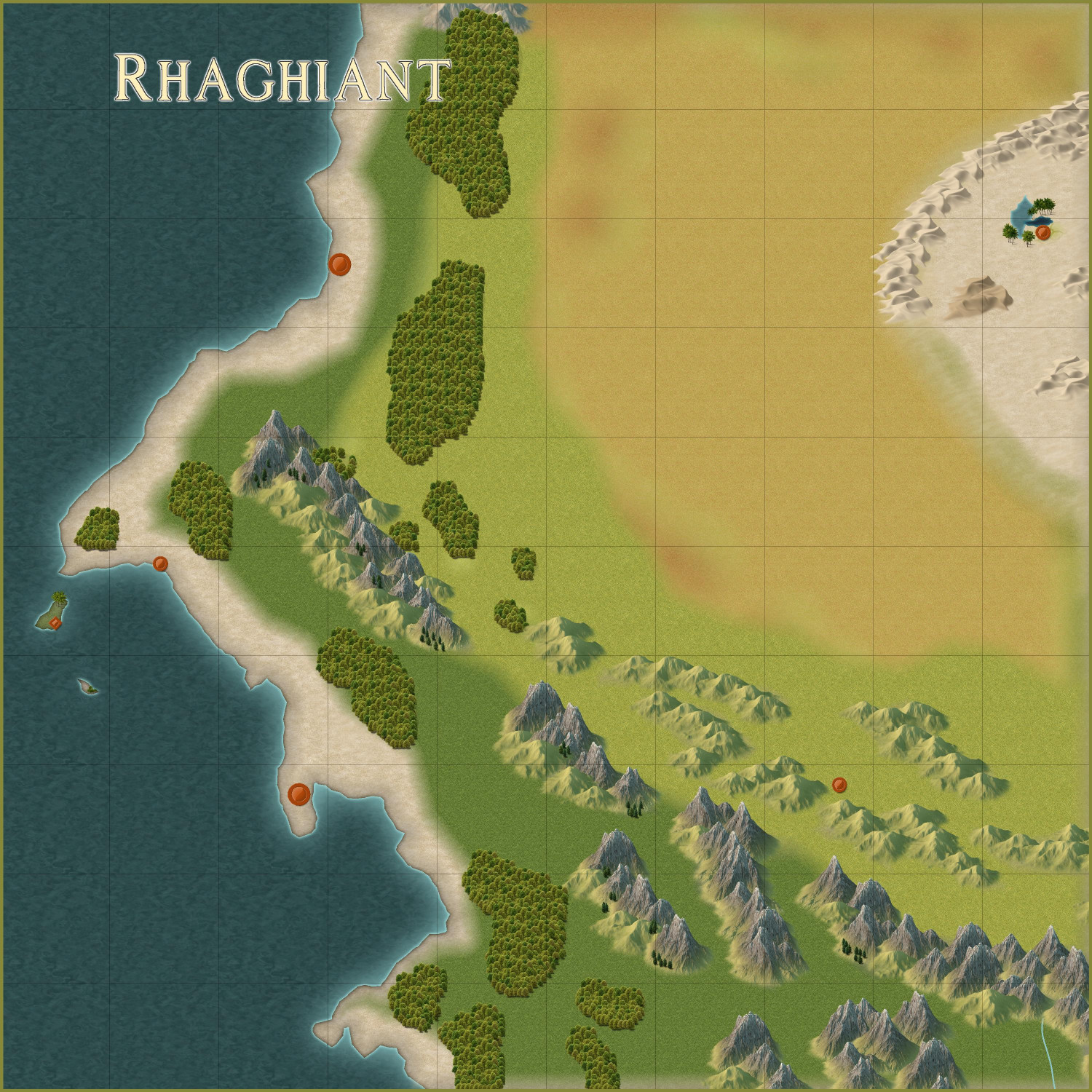
Okay, here's a first pass at the portion of the map I've adopted for the Community Atlas. This was done using the Spectrum Overland style. So far, this is mostly just terrain converted from the parent map.
I want to add more individual trees around the edges of the forests where they look too squared off. I still need to add rivers (this map only came with one in the bottom right), and if necessary, more hills or small mountains at the source of the rivers.
This map came with five settlements. At this scale (each grid square is 100 miles), should I keep the beveled dots from the parent map or use the lovely Spectrum Overland symbols? I created a diamond-shaped one (on the larger island) for other points of interest. (I'm thinking that island may be a resort playground for the rich and famous, like a cross between Monte Carlo and Las Vegas, that operates outside of the reach of the country's law enforcement.)
I wasn't thrilled with how the savannah/grasslands blur into the desert on the right. I may need to adjust the sheet effects. I also thought about encircling the desert with dunes. I did it half of it that way so you can see it with and without the dunes. Thoughts? Oh, and I need to add some saguaro cacti or joshua trees.
I'd like to add a swamp somewhere. I plan to add a henge at one of the northern forests, surrounded by more trees -- that's where elves live. And a dwarven fortress in one of the southern mountains.
Roads will come last, once I've determined the rivers, major settlements, and points of interest, and then need to connect them.
Advice welcome, including the name.


-
[WIP] Community Atlas Competition - Artemisia - Verinress Arl - Fon'Anar
I finally have a bit to show for my contribution to the Community Atlas Competition. More work is needed but it's enough to provide the gist.
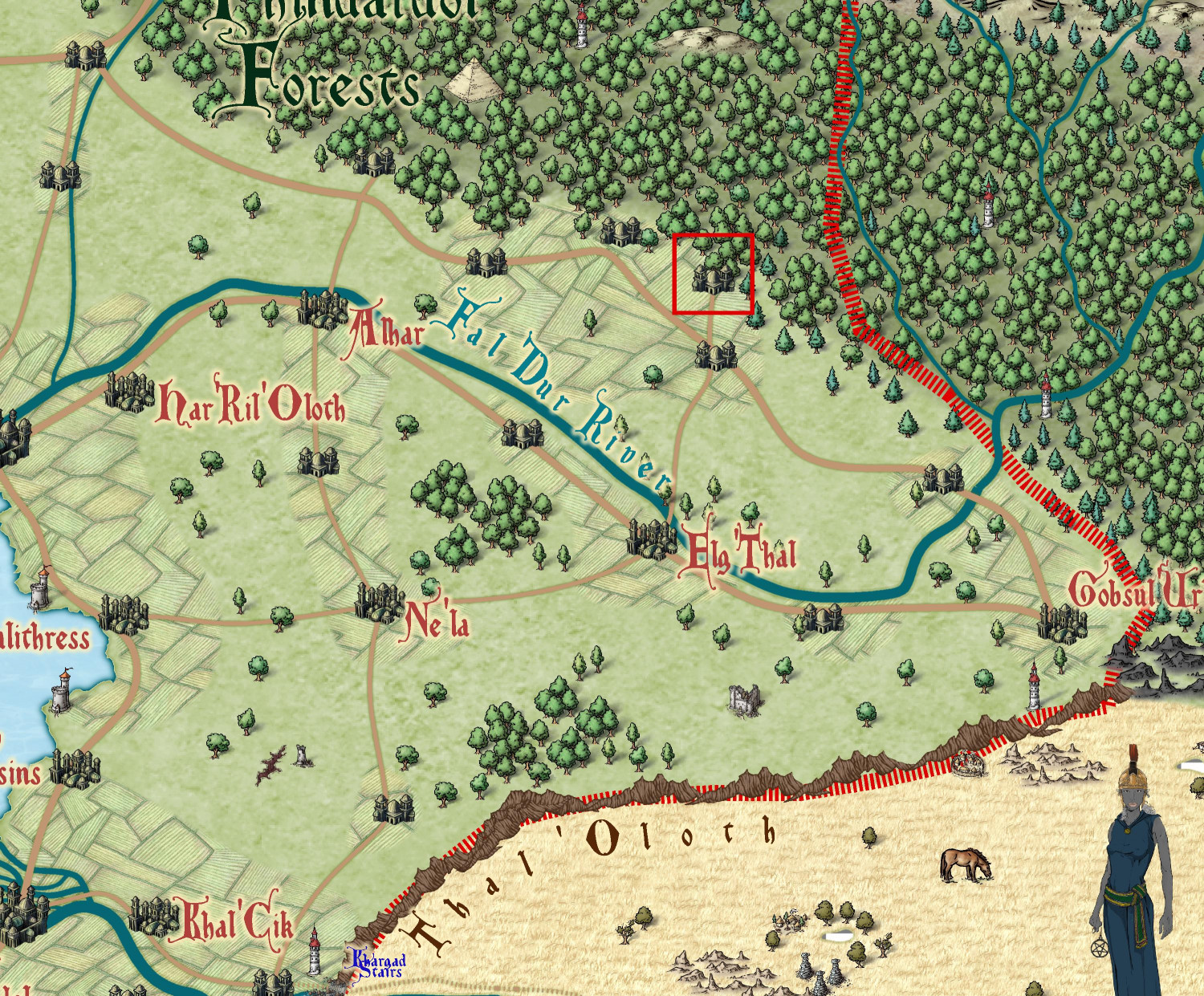
I adopted a little farming village on the edges of Verinress'Arl on Artemisia. The parent map's notes explain that Verinress'Arl is populated by Aeifa (surface dwelling drow), who are ruled by a Matriarch, where succession is by fight to the death among her female offspring. The red box here (northeast of center) shows the village in relation to the rest of the kingdom:
The village was once the site of a military outpost, but when it was decommissioned generations ago, a village grew up and took over some of the surviving military facilities: a small fortress that became the village jail, and a tower atop a hill that was purchased by sorceress to live out her years of retirement. The tower was passed down to one of her apprentices, and so on through the generations.
While the villagers are mostly self-sufficient, raising enough of a variety of crops to sustain the village, it's known for its fruit orchards and even more for its vineyards and the wines that are popular throughout the realm.
Here's the village so far (I also put a copy in my gallery if you want to zoom around):
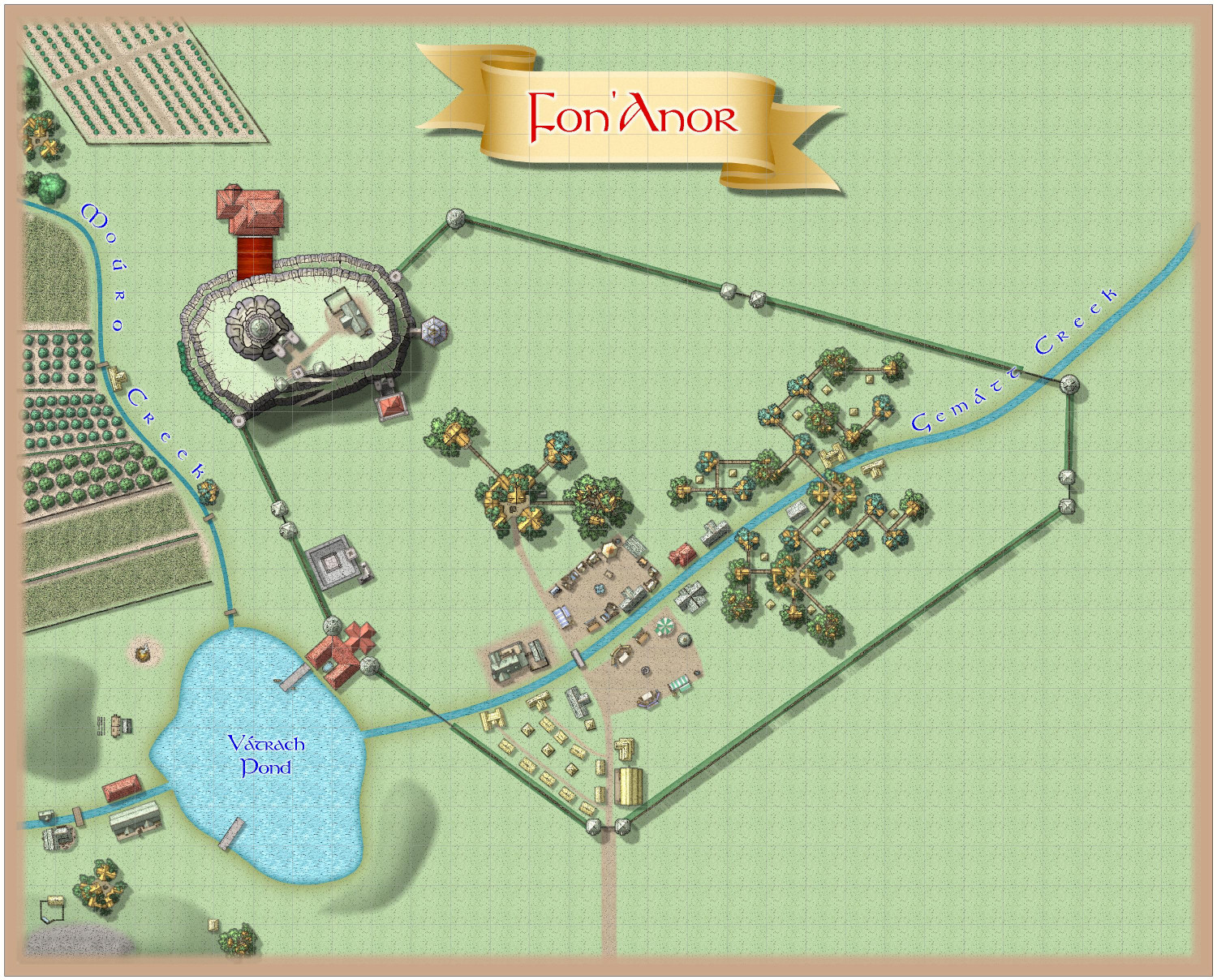
Still more to add within the area protected by the palisades, and forests to the north/northeast.
Here's a closer view of the hillside known locally as "the rock" (though a proper name will be provided on the map):
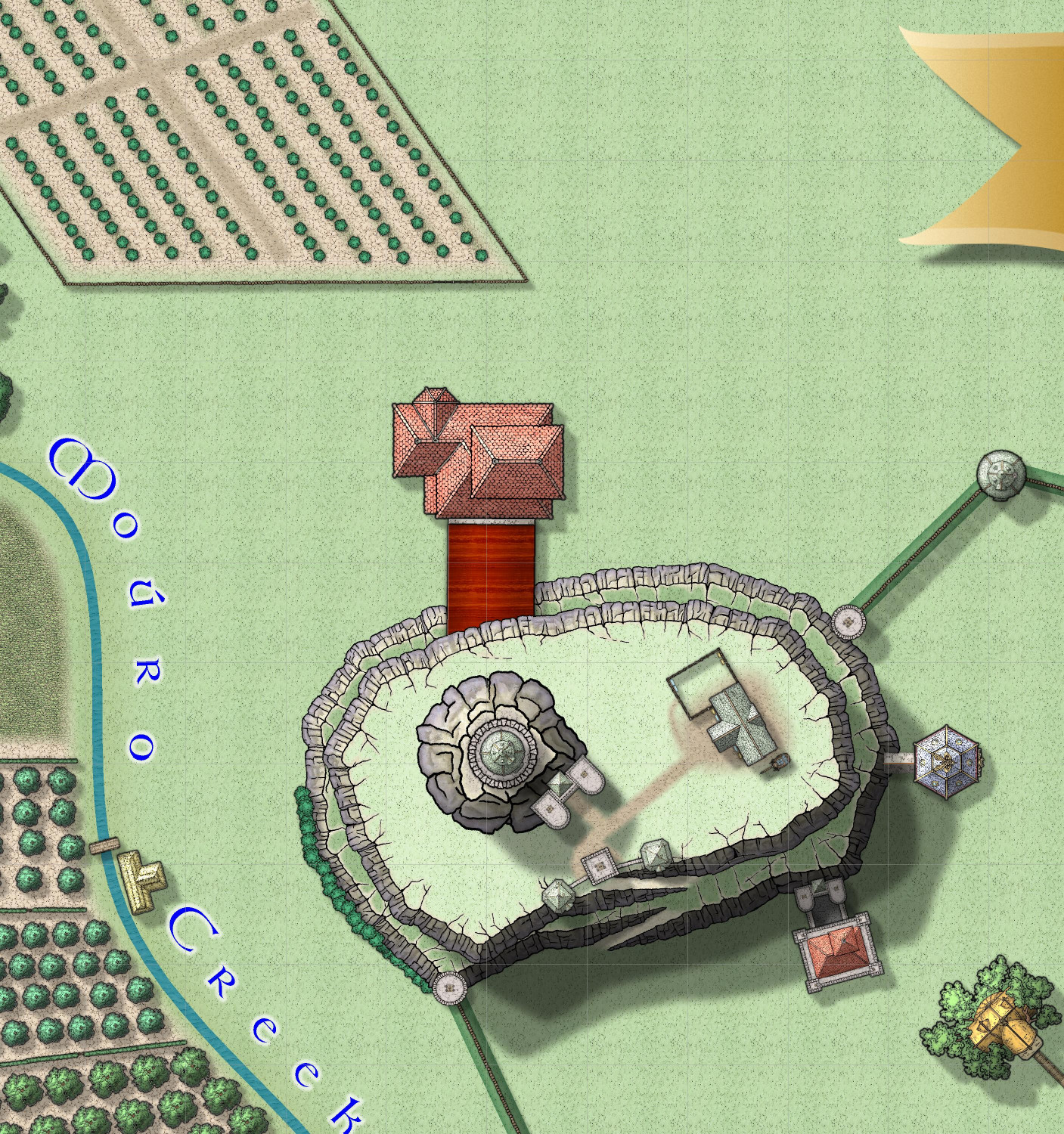
In addition to the sorceress' tower on top of "the rock," there are three other buildings the dig into the hillside. On the south/southeast, a decommissioned military fort has been converted into facilities for the village watch, with jail cells built underground in the hillside. On the eastern side, the Temple also digs into the hillside where the crypts and religious records/artifacts are maintained. And on the north side, the winery (which may be a bit oversized, now that I see it) also extends into the hillside, where wine can ferment in giant vats in caverns protected from the heat of the sun.
The government buildings include the City Clerk's office in the center, with the courthouse to the east, the mayor's office to the northeast, and the town council chambers to the northwest.
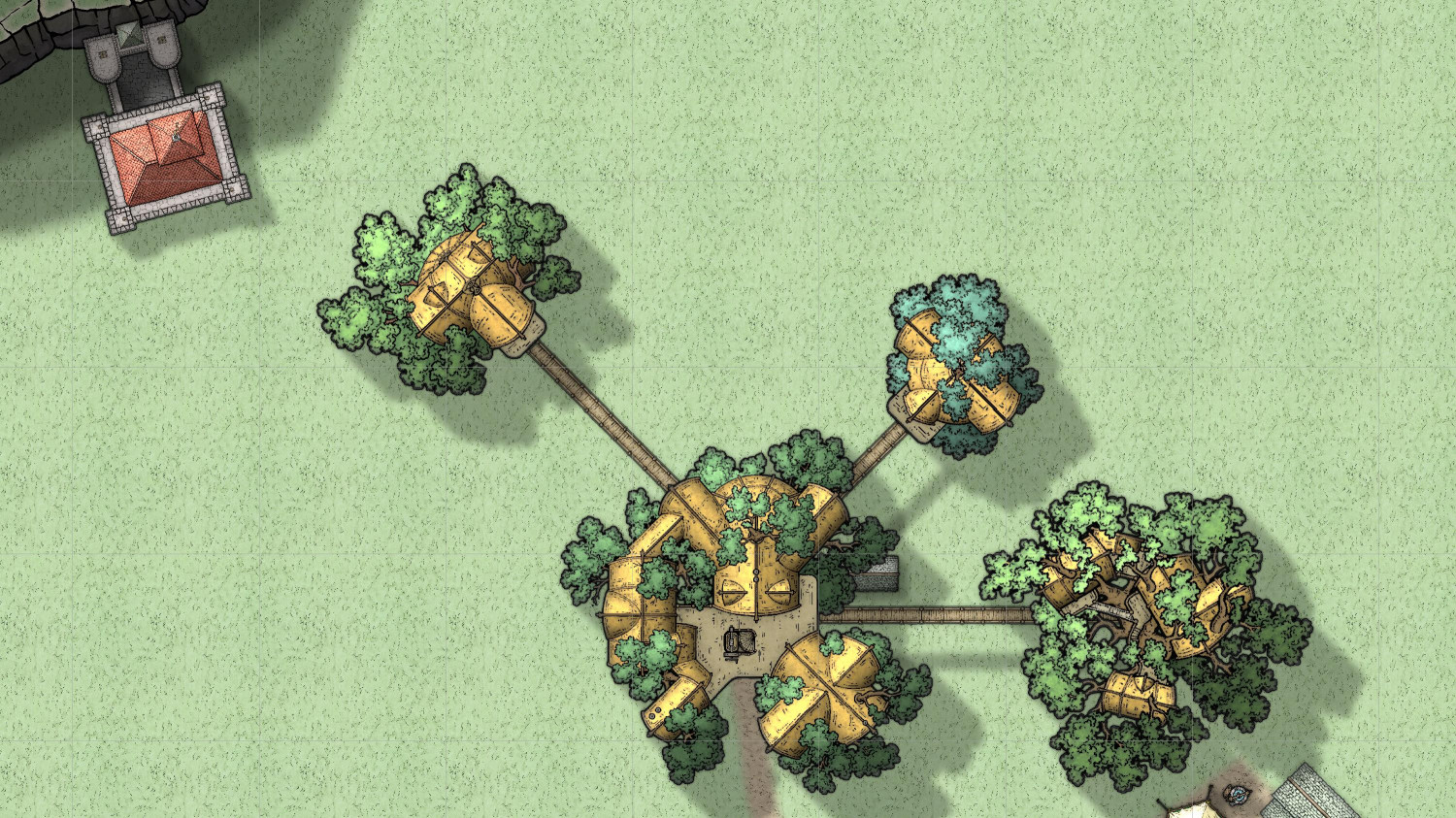
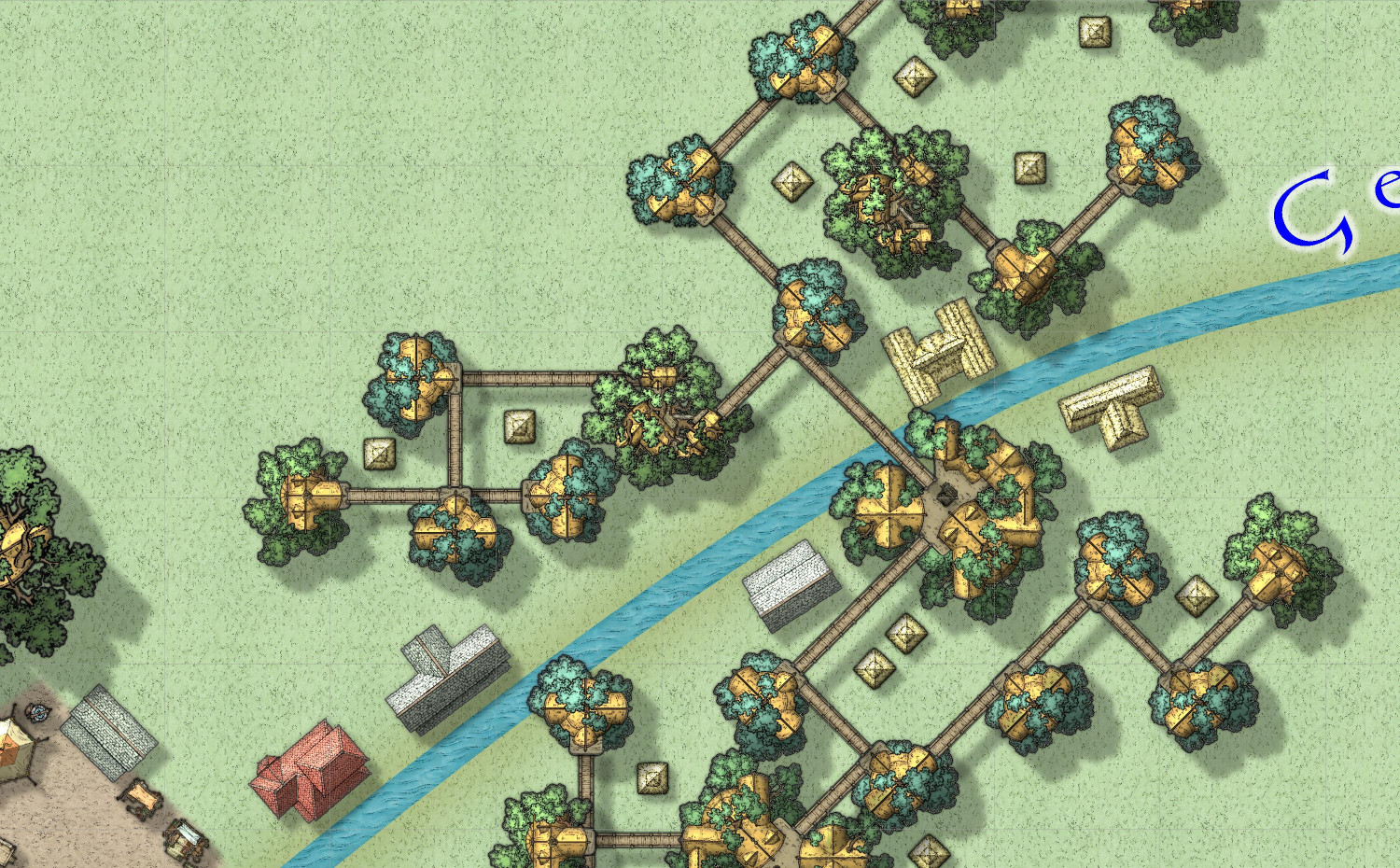
Here's an example of treehouse housing. More smaller complexes like this will be built elsewhere within the palisades.
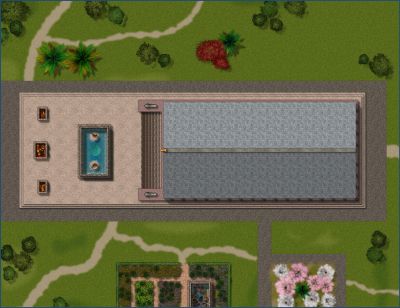
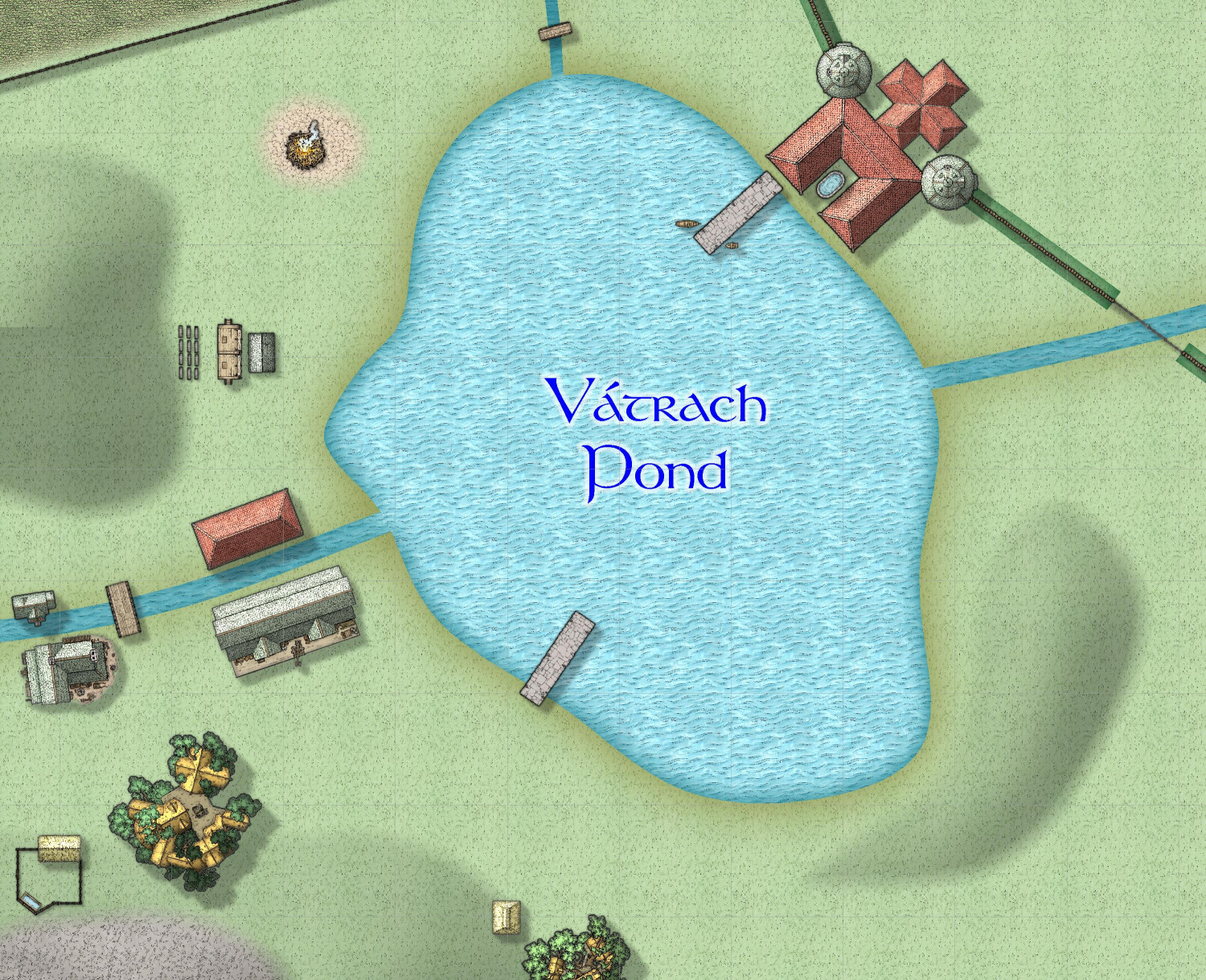
Outside of the village walls on the southwest side is a large pond. There are some industries along the creek that exits the pond: a small mill, blacksmith, tanner's, and glassblowers. North of them is a hillside and field that have become an entertainment area. A large bonfire is lit most warm nights, where the villagers make music and dance. There's also a stage where traveling minstrels, troubadours, and traveling acting troupes can perform for the villagers who can sit on stone benches before the stage or on the hillside behind. The big building on the northeast side of the pond is the community baths (elves are stereotypically fastidious, after all).
Much more to come, but since it's officially August, I wanted to post what I have to date to start getting feedback.

-
[WIP] Community Atlas Competition - Artemisia - Verinress Arl - Fon'Anar
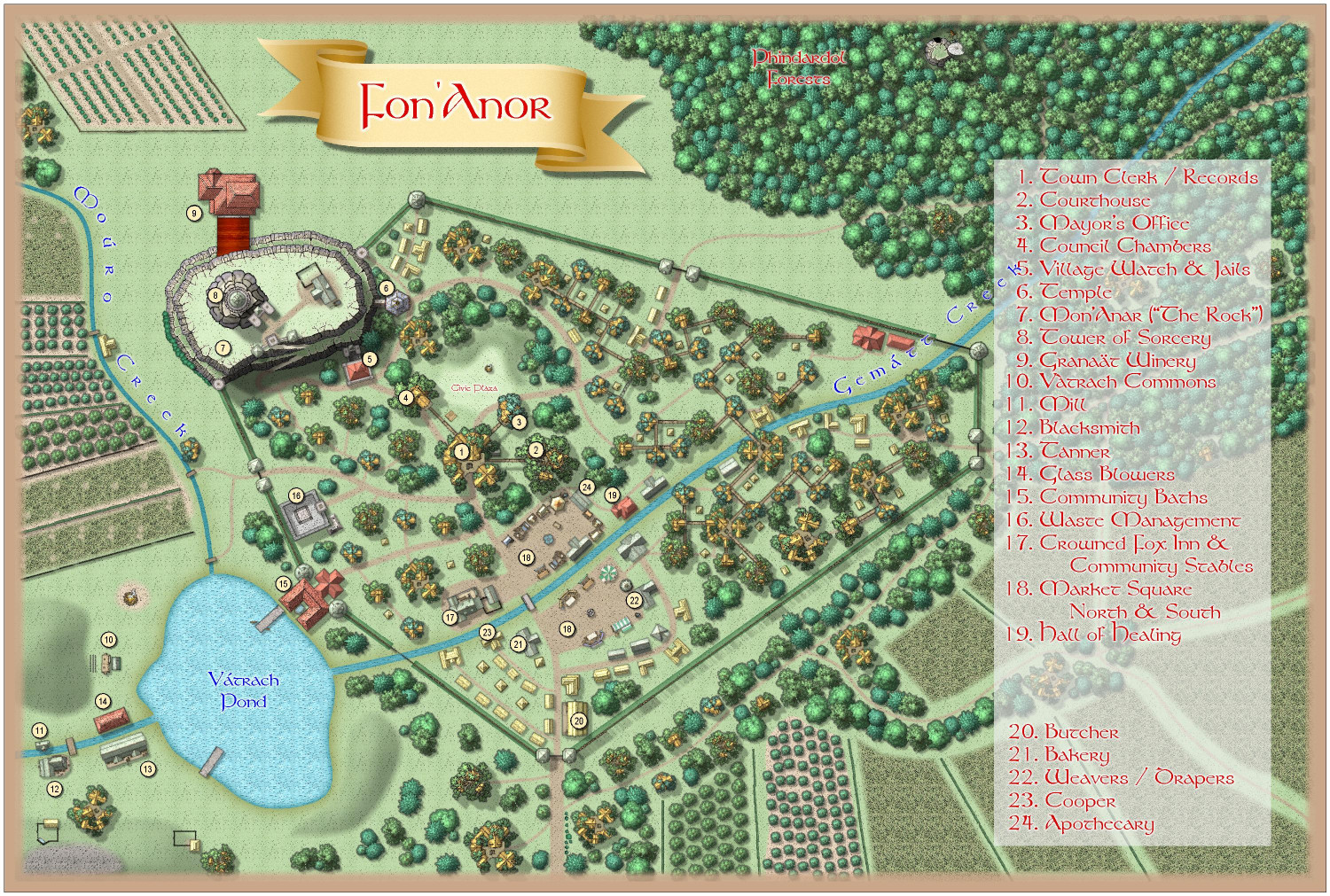
Made some good progress, including labeling some of the primary businesses and points of interest. I also widened it a bit to make room for a legend. The text was a little hard to read so I added a semi-transparent back. Let me know if it's still too hard to read, and what you'd recommend to help that (make the back less transparent? darker or lighter shade?)

-
[WIP] - Lumadair: Birdseye Continental
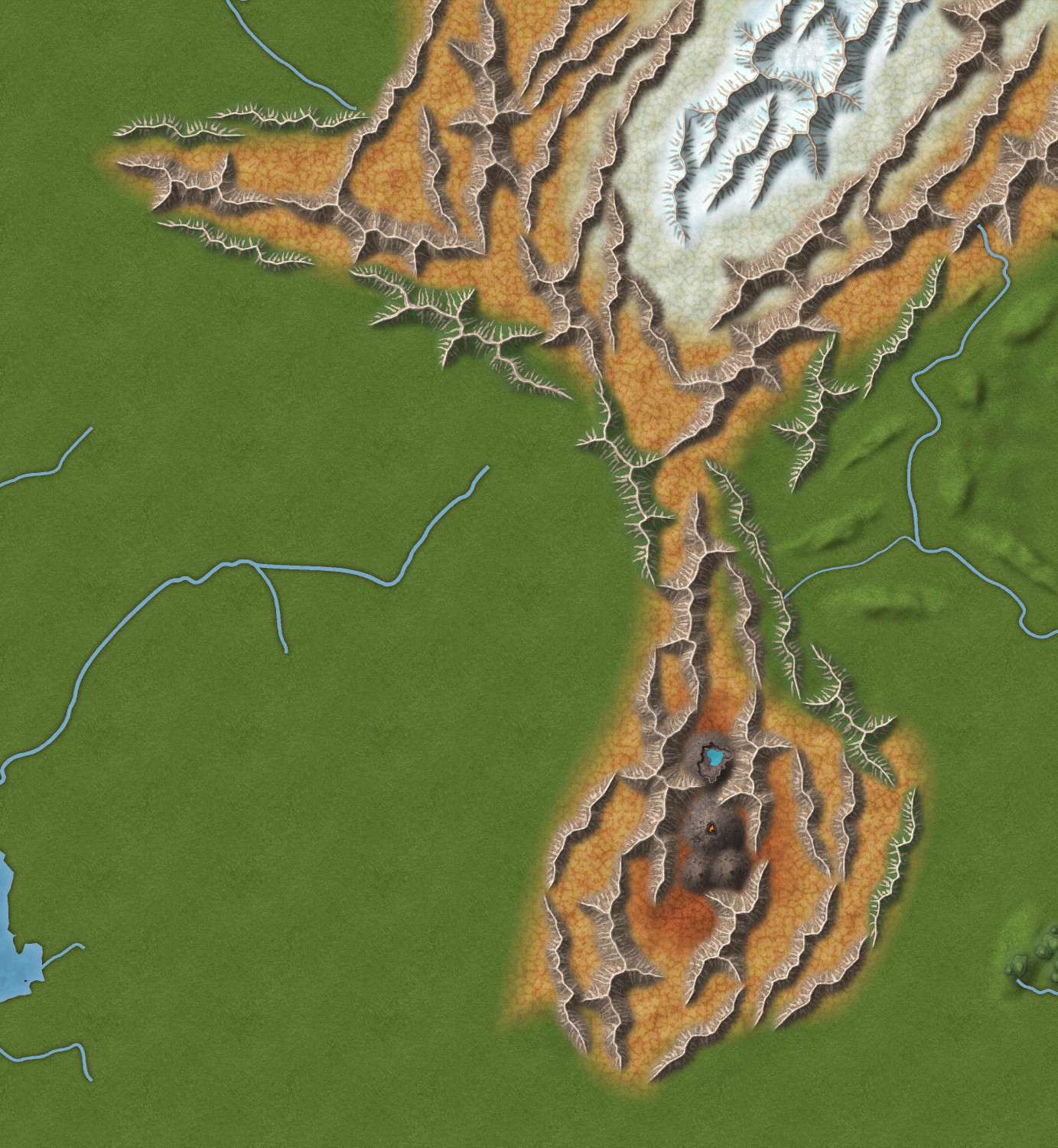
Reworking the mountains, replacing all of the ridges and ripples so they flow together better to my eye.
Here are a few different tweaks. Thoughts?
Version 1
For the snow-capped mountain, I replaced the scorched alpine fill with a tundra fill, and redrew the snow to be tighter around the snowy ridges. Also added an ice fill between the ridges. I should probably add some ripples onto the tundra terrain but should they be snowy or arid?
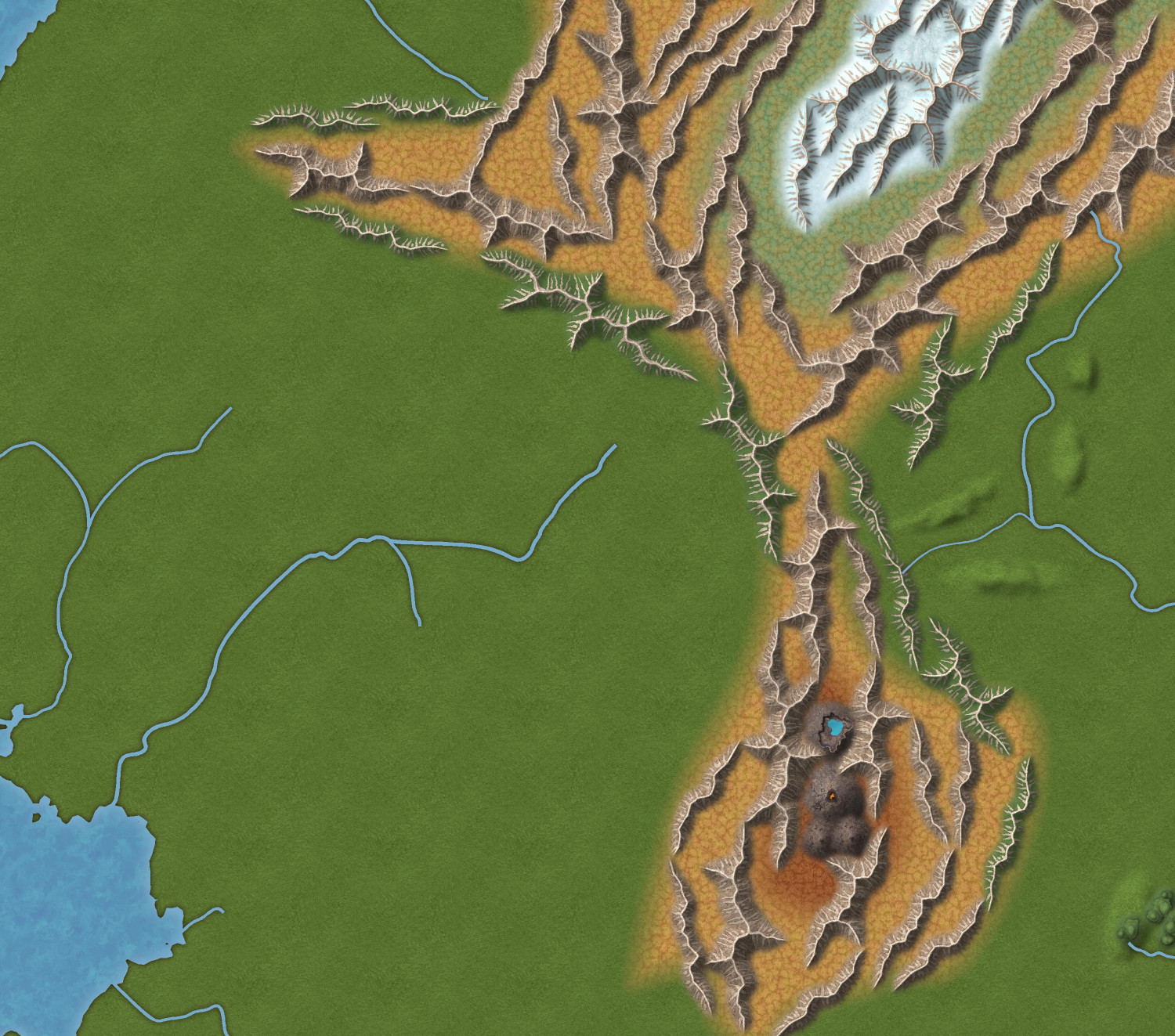
Version 2
All of the changes in #1, but I drew a hill polygon around the mountain. Not so sure about this one.
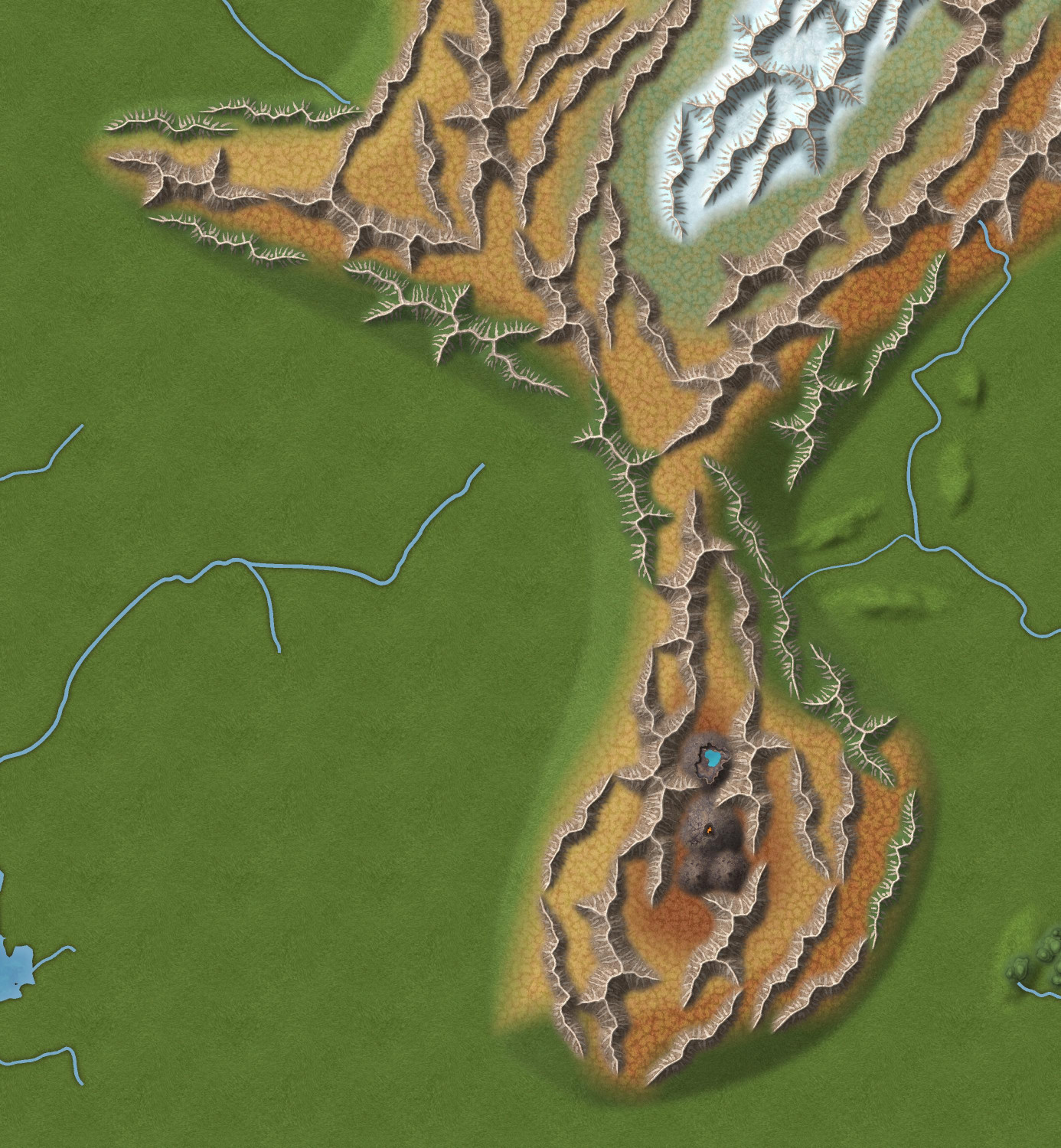
Version 3
All of the changes in #1, without the hill in #2, but I lightened the tundra using ADJUST HUE/SATURATION effect (Lightness +50%)
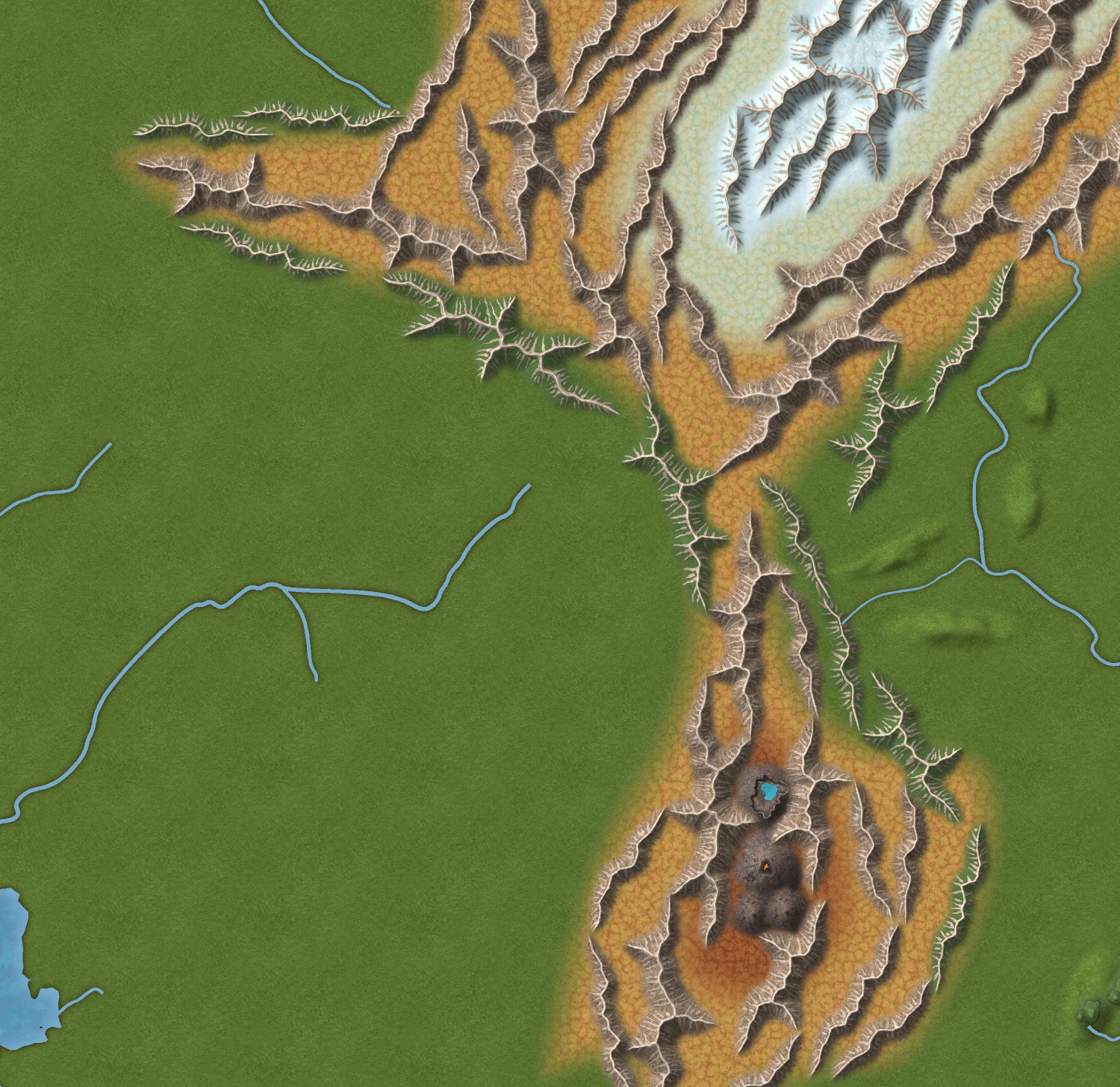
Version 4
Same as #3, but I added the Uneven Ground texture over the mountain.

-
[WIP] Community Atlas Competition - Artemisia - Verinress Arl - Fon'Anar
I just noticed that although I posted my completed map in the competition thread, I didn't post an image of it here. Doing that now, just so this thread shows the full process.
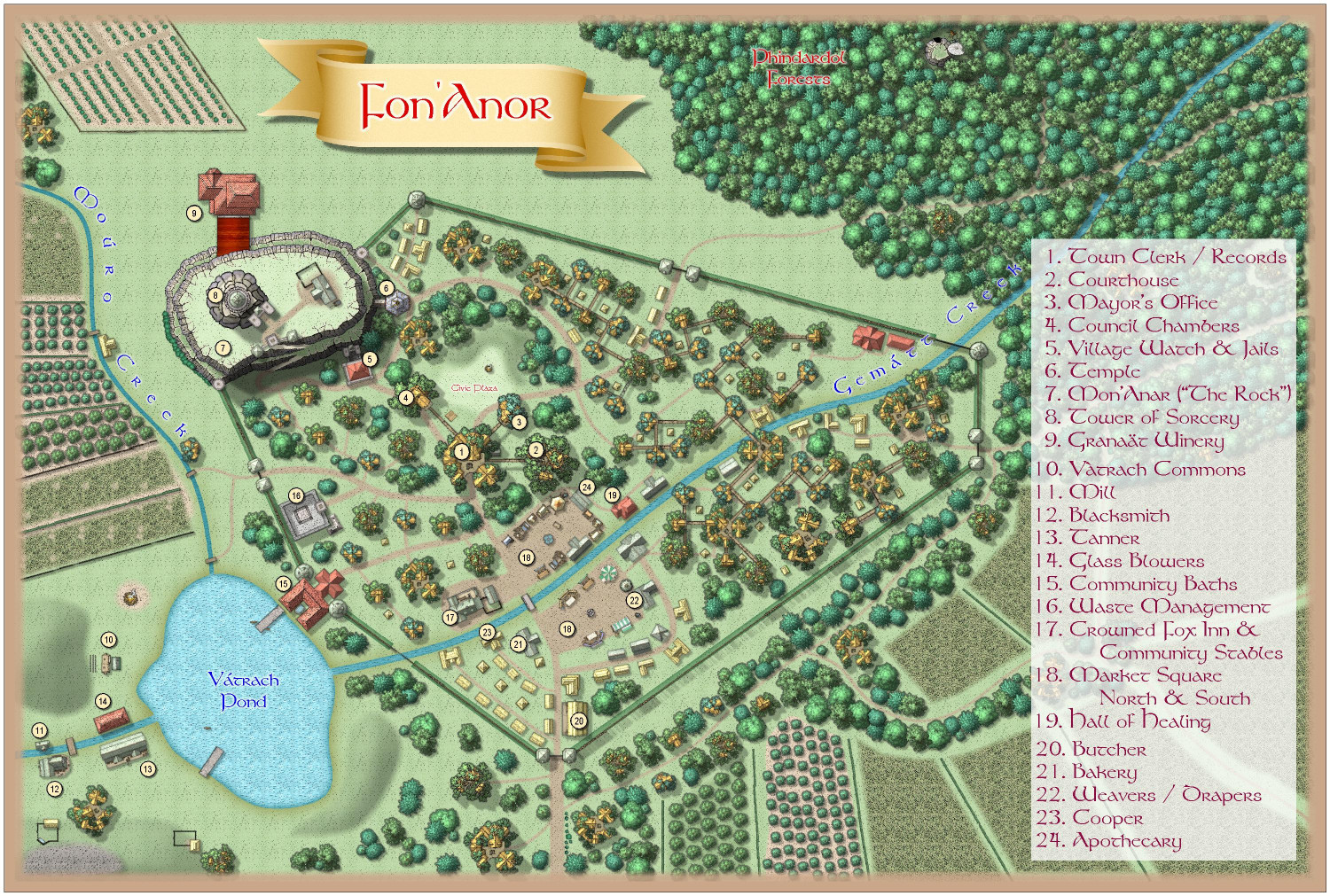
I have wanted to use Mike Schley's elven treehouse symbols ever since I started mapping with CC3+, so I am delighted to finally have had the opportunity. (My friend keeps calling this map -- especially because of the elevated pathways -- my Ewok Village.)

-
[WIP] Lair of the Red Wyrme
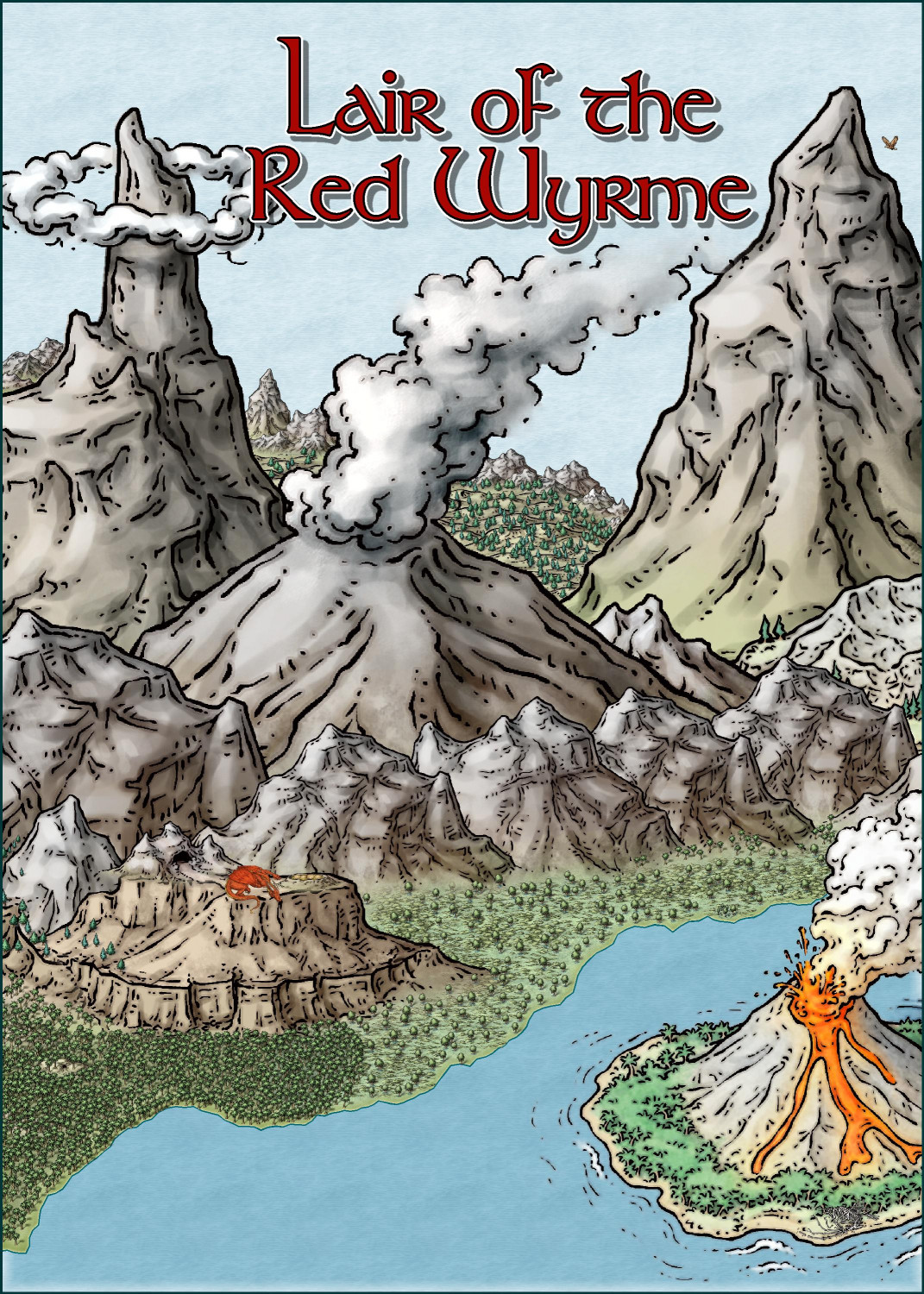
Wanted to try out the new Sort All Symbols function (which you can get by simply reinstalling CC3+), and since it works best with overland maps, I wanted to do a dragon's lair in the Mike Schley style. This is just a quickie - still need to see if there are weird things that need to be manually sorted by shifting onto different sheets, or camouflaged with foliage.
-
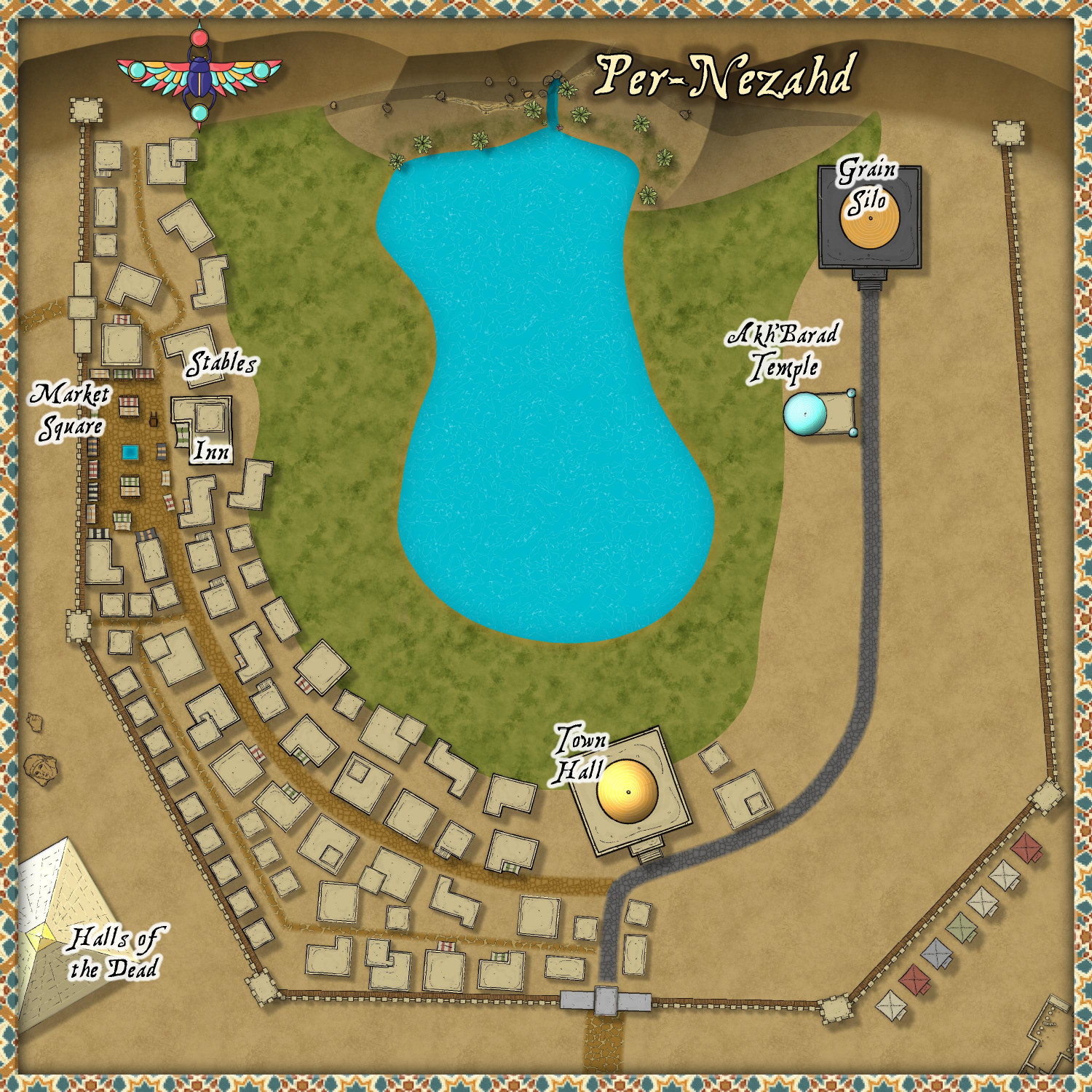
[WIP] Per-Nezahd
Working on a desert village using the Desert Oasis style, but now I'm wondering if it's turning more into a town than a village, even though it's only 500 feet x 500 feet.
I added a wall around it because I figured they'd be pretty protective of their water source and the crops it's able to sustain. Added an inn and stables because I figured that traders would be coming through. And a pyramid outside of the walls as the Halls of the Dead (either tombs or a columbarium). All of this is making it feel a little big for a village -- which is fine, I can always add it to the Atlas outside of the competition and do another desert village for the contest.
Thoughts?