


Royal Scribe
Royal Scribe
About
- Username
- Royal Scribe
- Joined
- Visits
- 9,726
- Last Active
- Roles
- Member
- Points
- 3,384
- Birthday
- February 5, 1968
- Location
- San Francisco, California
- Website
- https://legacy.drivethrurpg.com/browse/pub/31814/Royal-Scribe-Imaginarium
- Real Name
- Kevin
- Rank
- Mapmaker
- Badges
- 16
Latest Images
Reactions
-
[WIP] Temple of Déine ap Gáeth
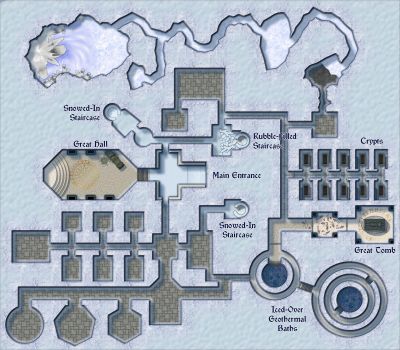
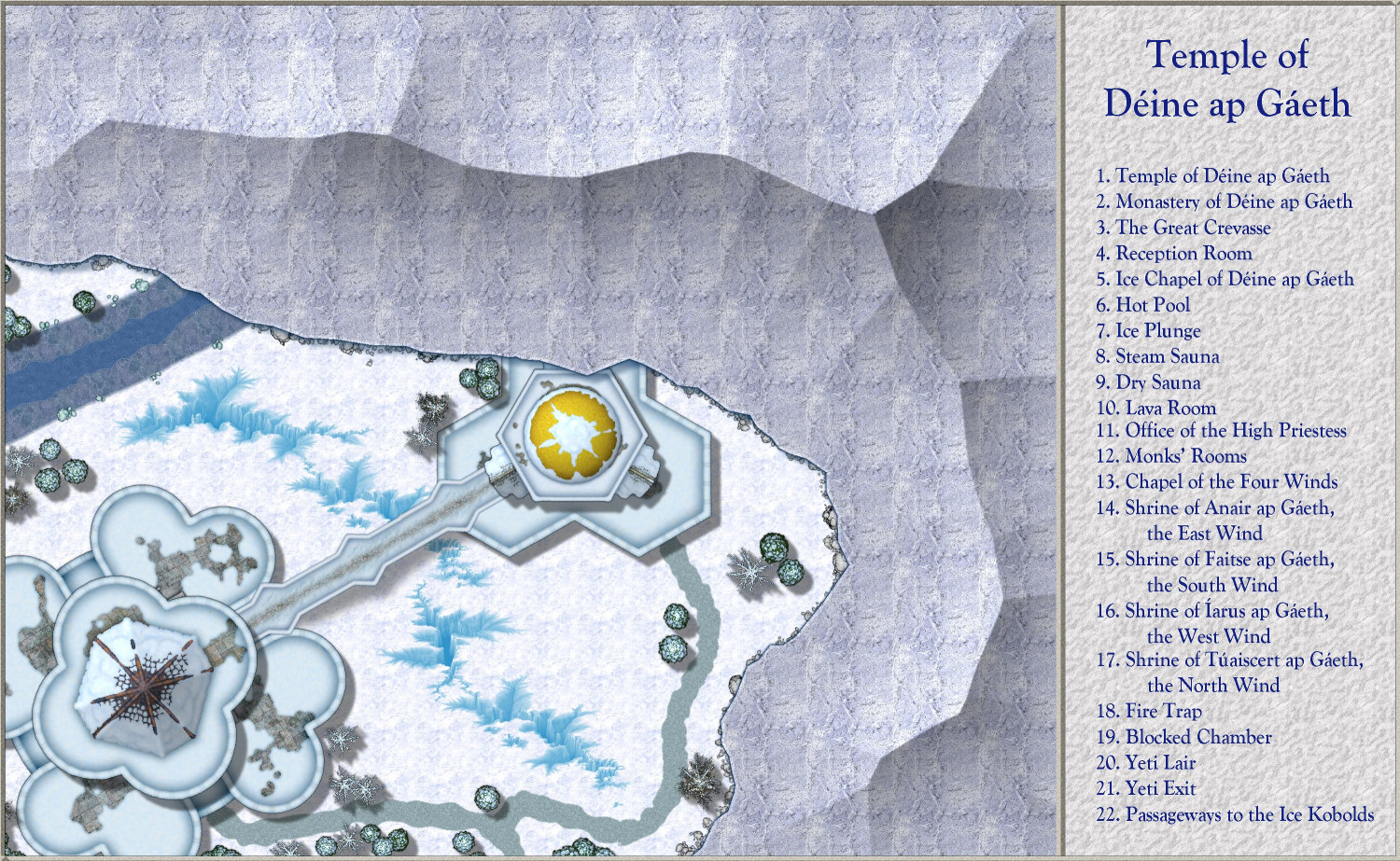
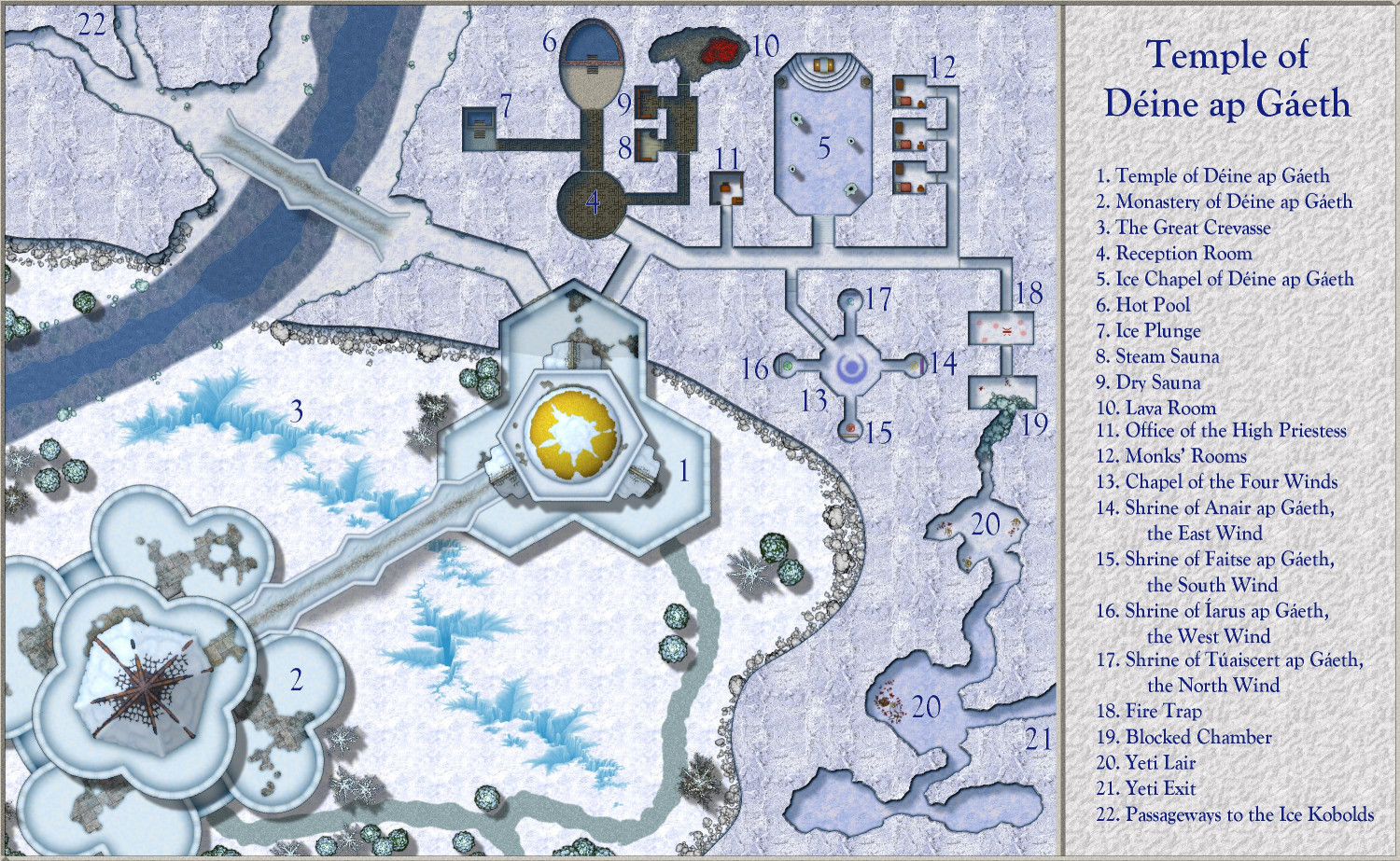
This cold weather here (which is not so cold for most of you -- it's 60 degrees Fahrenheit, or 15.6 Celsius, in San Francisco today) keeps inspiring me to do winter-themed maps. This one is my first use of the Ice Caverns dungeons from the CA189 annual from 2022.
In my campaign world, one of the human religions I've created is the Áes Camáir, a religion that is loosely inspired by Celtic mythology. The primary gods are the five "Children of Dawn" and their offspring. One of those five is Déine ap Gáeth, the goddess of winter and storms. (I realized some time after creating her that I was subconsciously recreating Elsa from Frozen.)
This temple and attached monastery is in an arctic environment, with part of the temple built above-ground and part below, which allowed me to also use some structures from Winter Village. The icy crevasse comes from Spectrum Overlands.
Here are the above and below maps, with description to follow.





-
[WIP] Inside the Temple of Fah
Basement 1
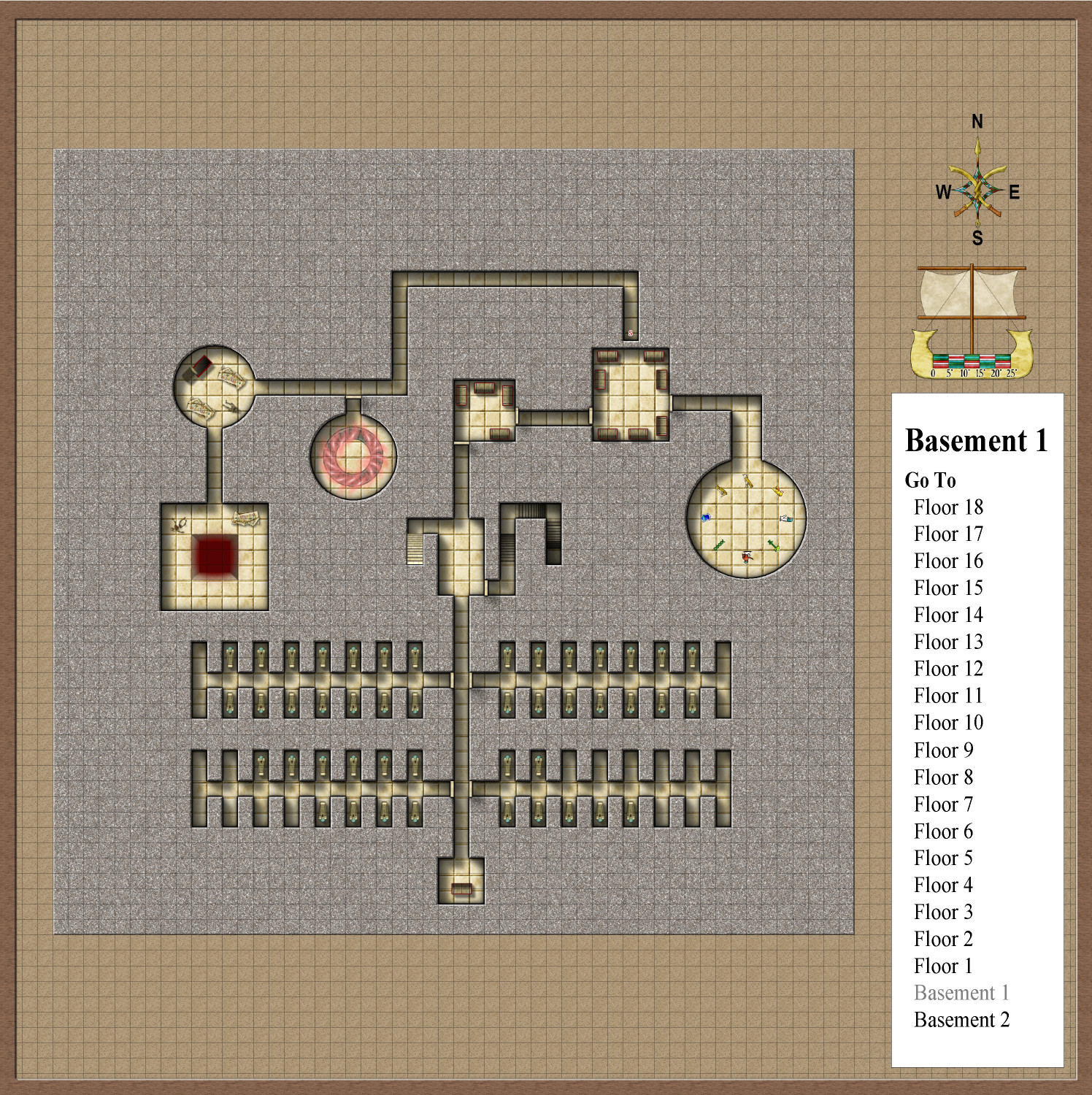
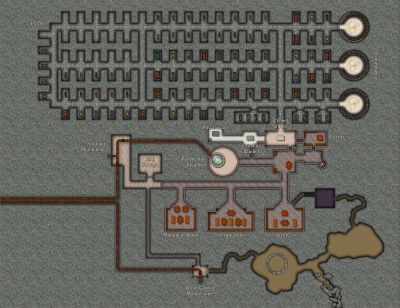
This level contains catacombs with 64 crypts for wealthy individuals who were not entombed with their pharaohs. There are 16 vacant spots.
This level also contains two chambers with the temple’s treasures, which connect to a circular chamber inscribed with eight hieroglyphics. The original purpose of this chamber has been forgotten. (The truth is, this was towards the end of my designing and I realized I hadn't used the hieroglyphs yet, so here are some.)
A secret passage leads to a chamber with a teleportation portal. Another circular chamber has both of its doors destroyed. The chamber beyond has a 15x15 pit. The heat, stench, and red glow suggest that it drops into a bed of lava.
A locked door provides access to a set of stairs that descend 30 feet to Basement 2.
Basement 2
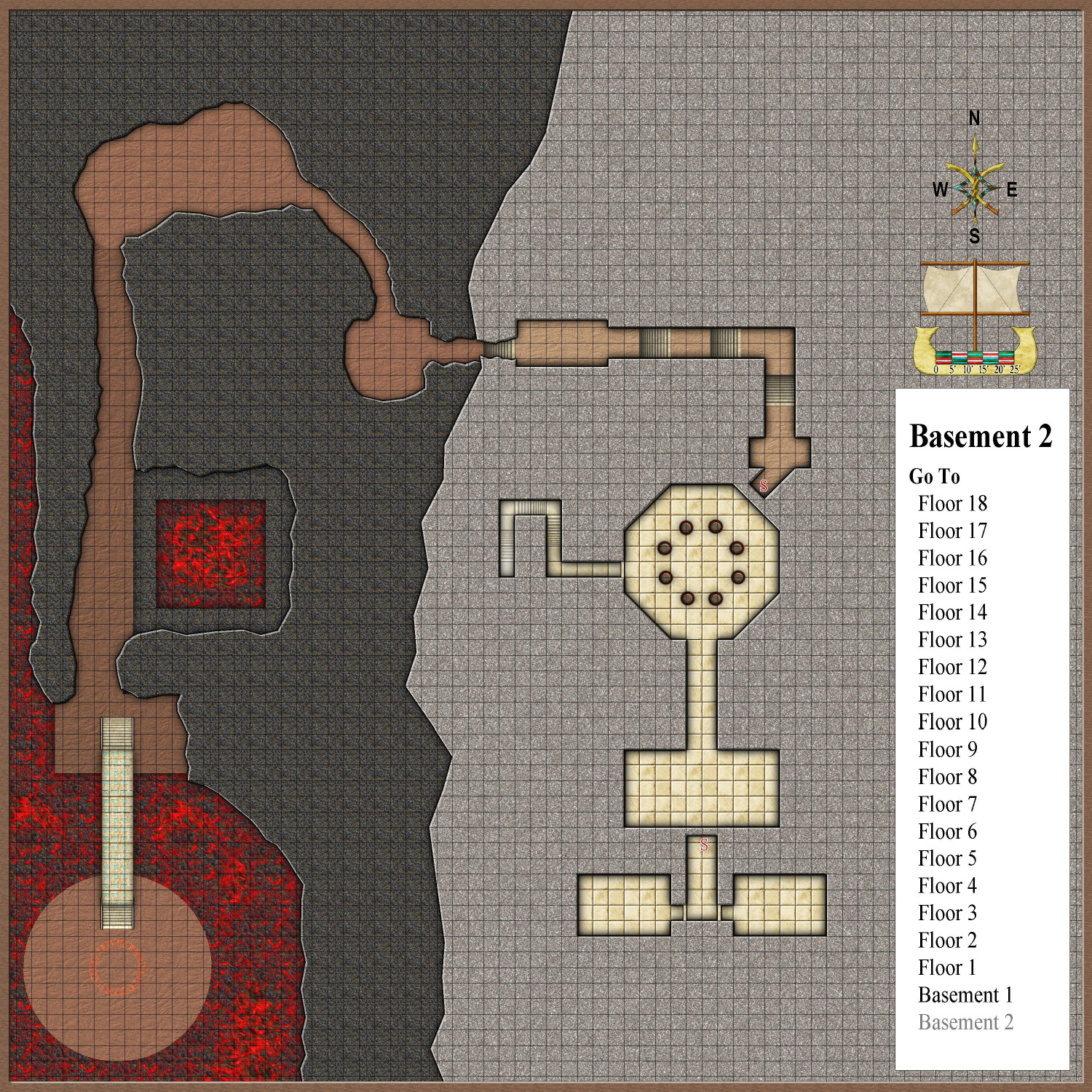
The 30-foot descent brings us to an octagonal chamber that appears to be used for secret religious rites, perhaps by priests who are part of a forbidden sect? This connects to a large meeting room. A secret door provides access to two more chambers.
A secret door on the northeast wall of the octagonal chamber provides access to a wide passageway that descends 30 more feet down a series of staircases to a narrow chamber. There on the west wall, more stairs descend another 10 feet into caverns carved into the bedrock.
Here the pit from Basement 1 does indeed drop into a bed of magma, encircled by a platform of cooled lava rock. A raised bridge provides access to a platform with glowing runes inscribed in a circle.
I’m really pleased with how the lava turned out here. I used two different fills that I think came from Monsen’s Mines. The darker one is on a sheet above the lighter one, and then I used the color key effect to allow brighter parts of the magma show through in spots.


-
[WIP] Research Saucer Shuttle
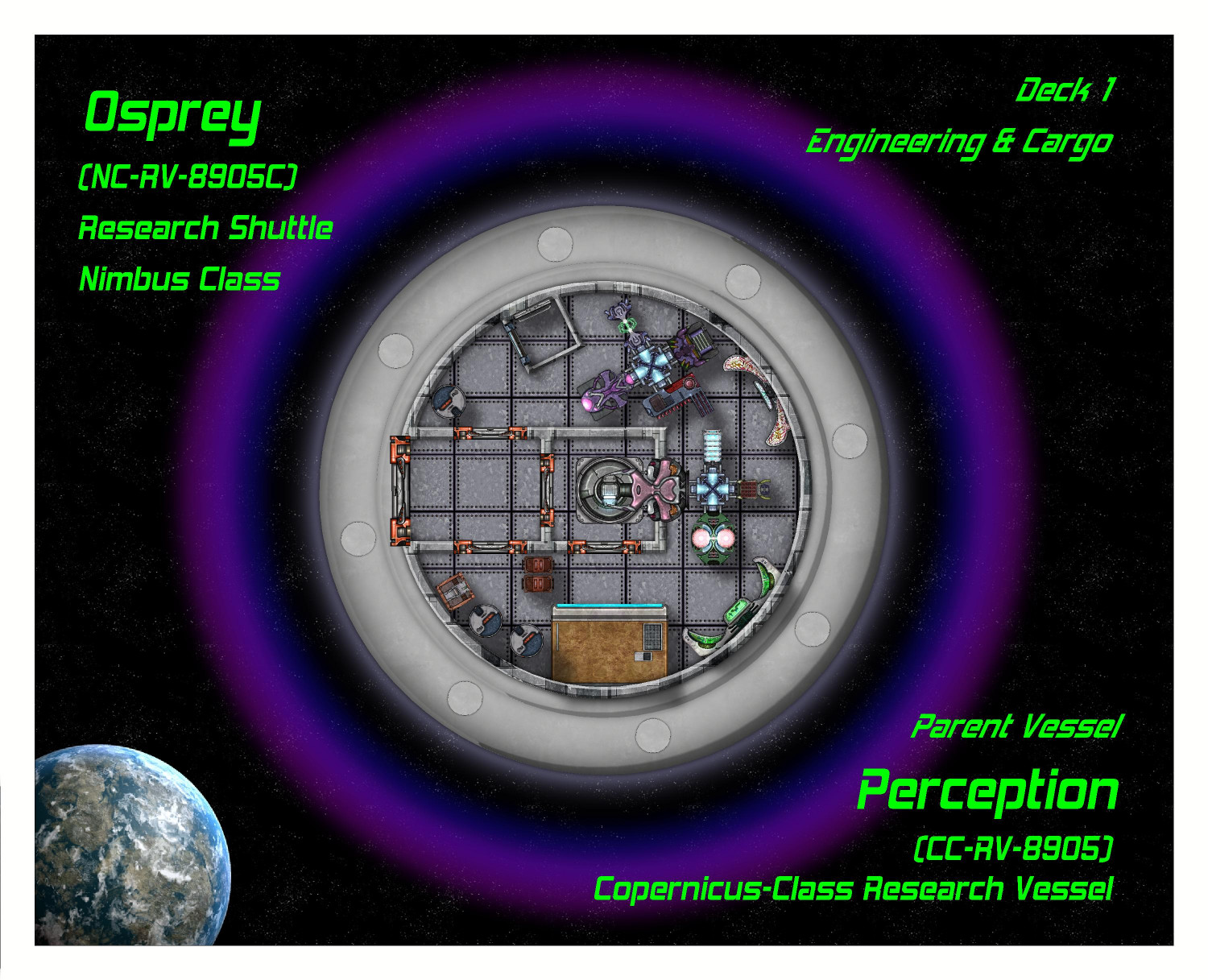
I intended to have three decks, but ended up pushing it to four because it was hard to squeeze medical and living quarters into a single deck. And even then, I had to make compromises (like bunk beds, and deciding to have a standard crew of six rather than eight).
Deck 1: Engineering & Cargo
This is the lowest deck. On the left side is an airlock door with an (unseen) retractable ramp, for planet surface landings. The center has a ring hatch for connecting with other space craft. A tractor beam can also pull objects into the craft from here. The ship's main computers and engineering systems are here, including life support, artificial gravity generators, shield deflectors, the cloaking device, propulsion systems, sensors, weapons, communications, and more.
Cargo (mostly specimens collected from the planet) can also be stored here wherever there's a little spare space.
Deck 2: Medical & Cryo
This floor is dedicated to medical care and biological research (including a lab table where local fauna can be...examined). There are four cryogenic tanks here for emergencies -- not enough for the entire crew because this is not an interstellar space craft and the cryo tanks are for emergencies. Usually that means keeping an injured crew member on life support until the ship can return to the parent vessel or space station. Sometimes if a shuttle is stranded, it can keep the crew alive (in rotating shifts) until help can arrive.
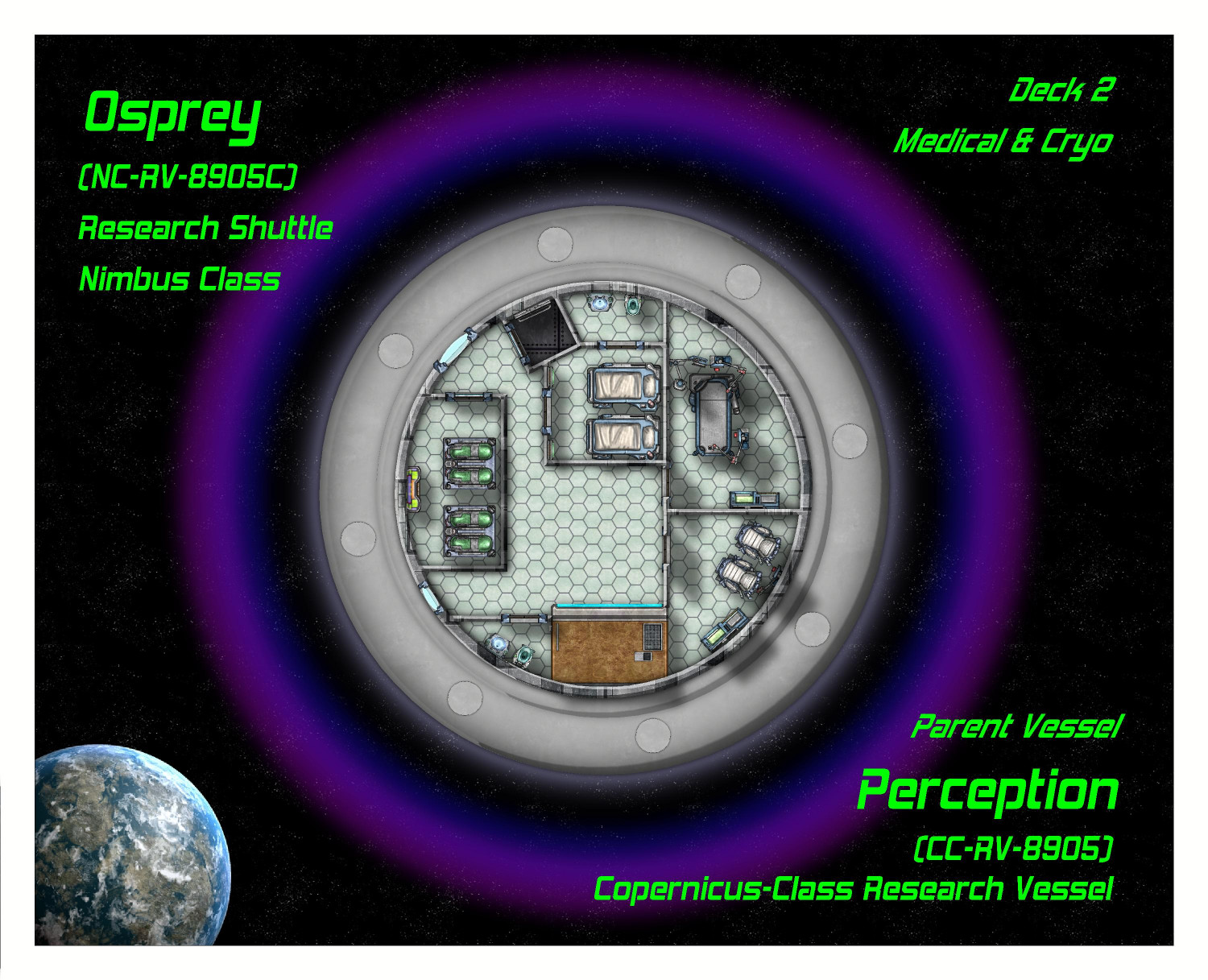
Deck 3: Habitat
This is where the crew lives when they aren't on duty. As this ship is only intended for short missions of a day or so, sometimes a week, the living quarters can be more cramped than on their parent ship. The crew even has to sleep in bunk beds in a shared room. There are two bathrooms with showers.
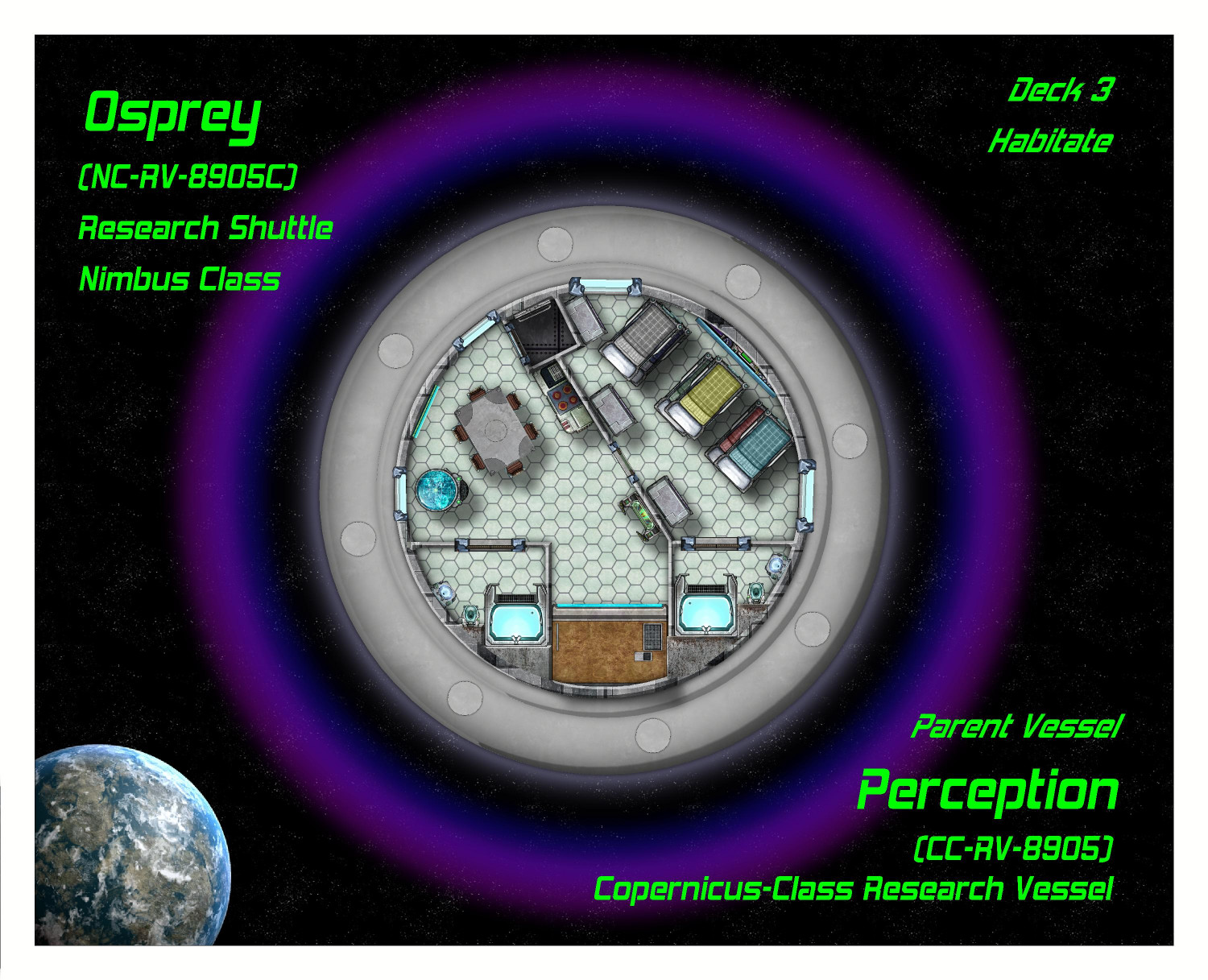
The other floors were already posted and haven't changed. I'll see if there's any feedback and then post the final set.

-
[WIP] Swamp Witch
For Forest Trail, I had to bring in the cottage from Darklands City, and the bones/debris from DD3. I struggled with two things: the riverbed and the ripples around trees growing in the water. For the ripples, I used the rapids symbols that come with the annual. For the riverbed, I tried three different versions.
Here are all three together:
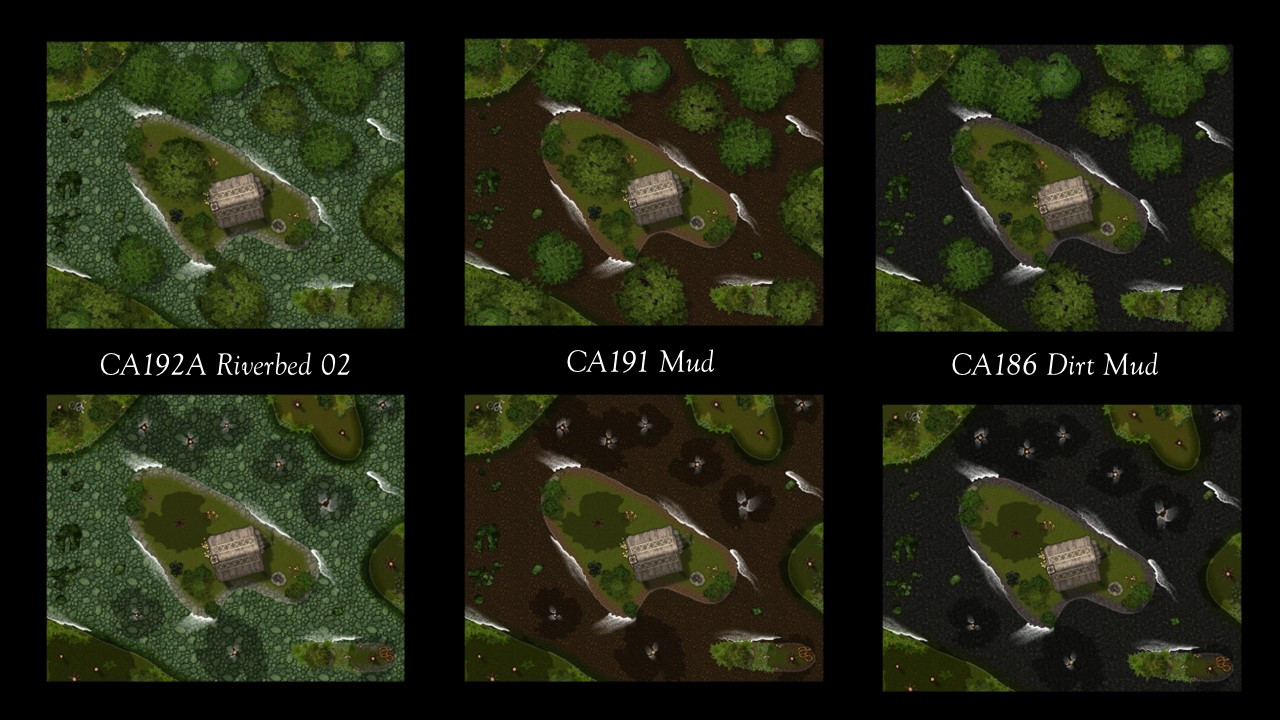
The first version uses the riverbed fill from the annual. It doesn't look particularly swampy to me, though.
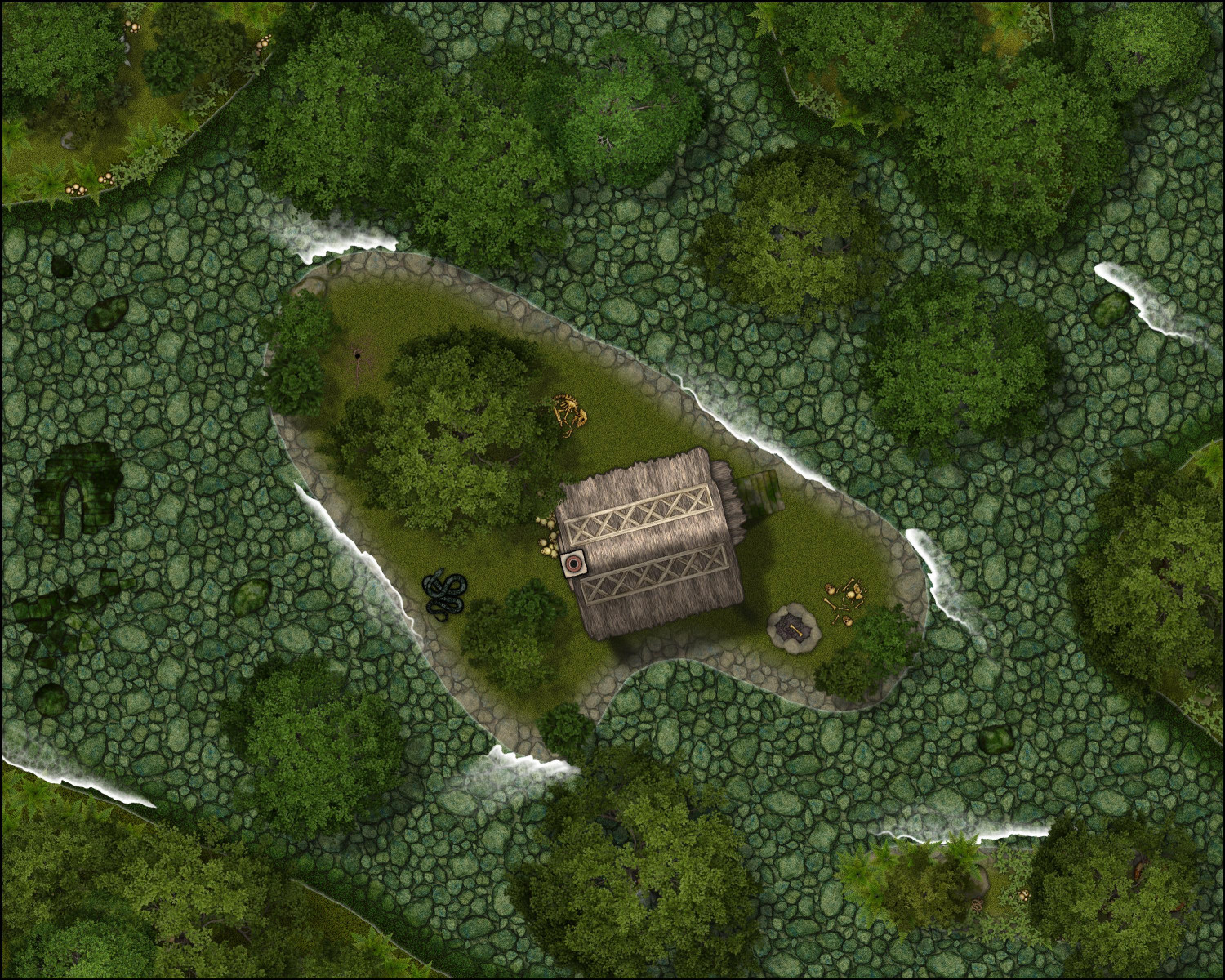
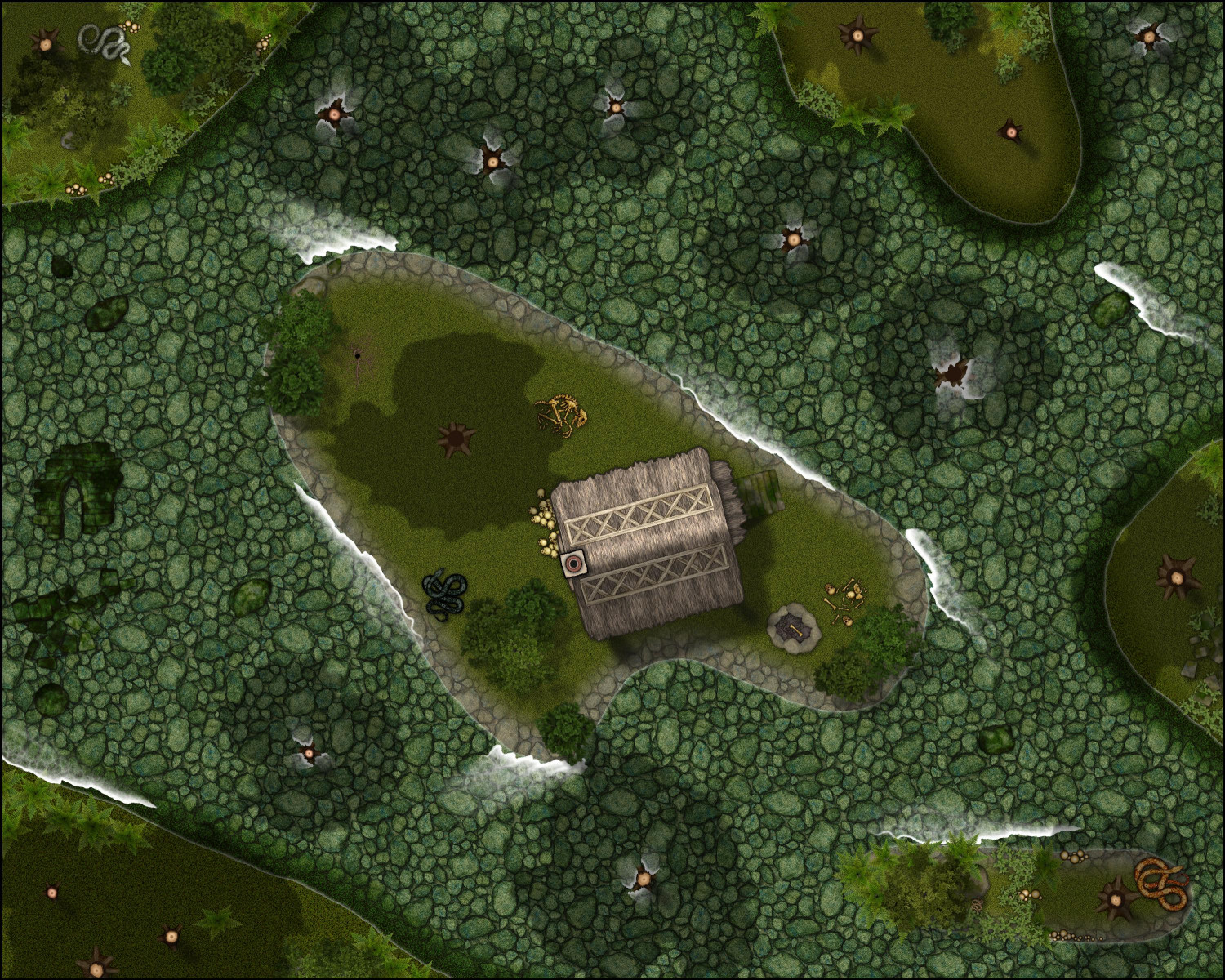
The second version uses a mud fill from the Forest Trail annual:
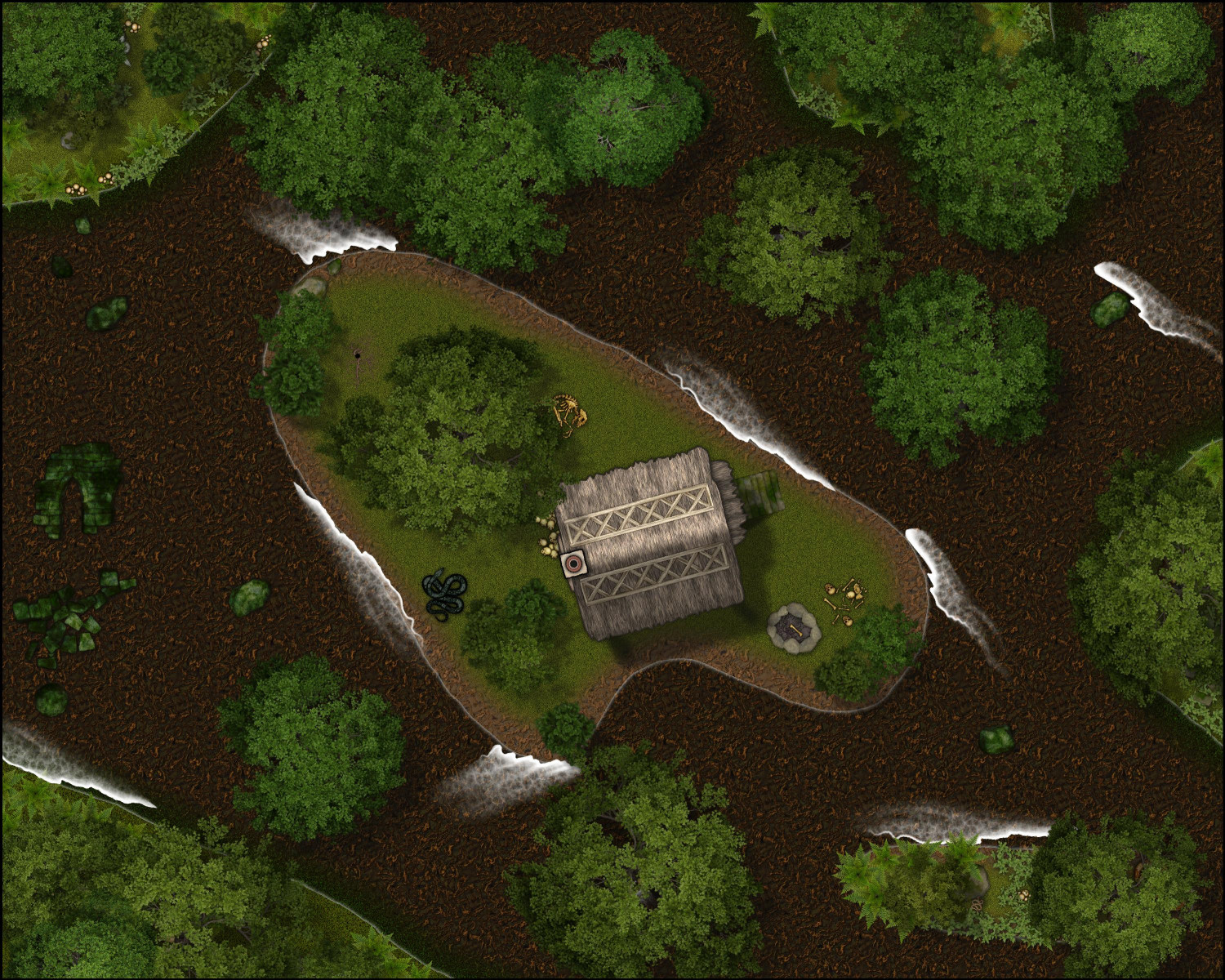
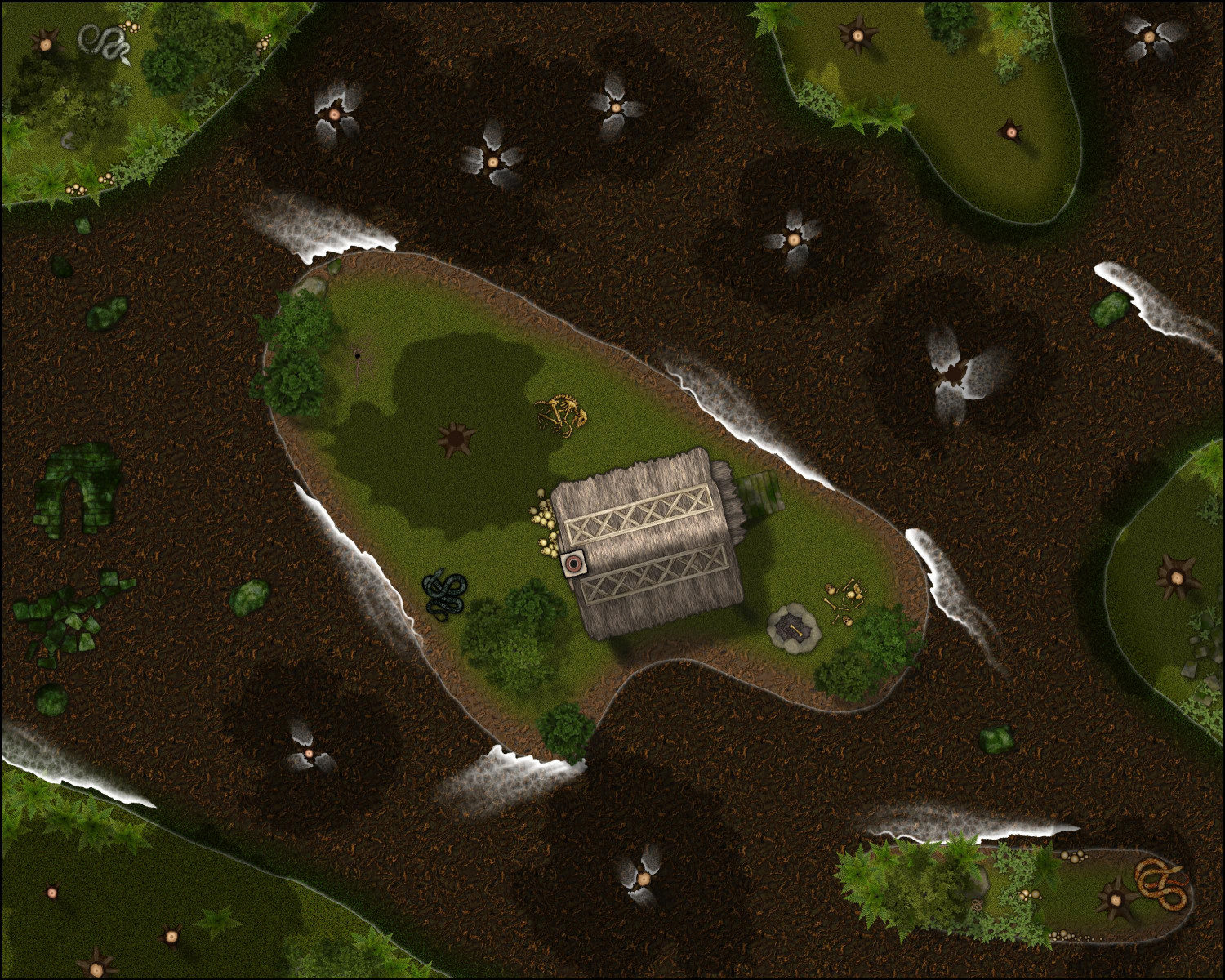
The third version uses a mud from Creepy Crypts:
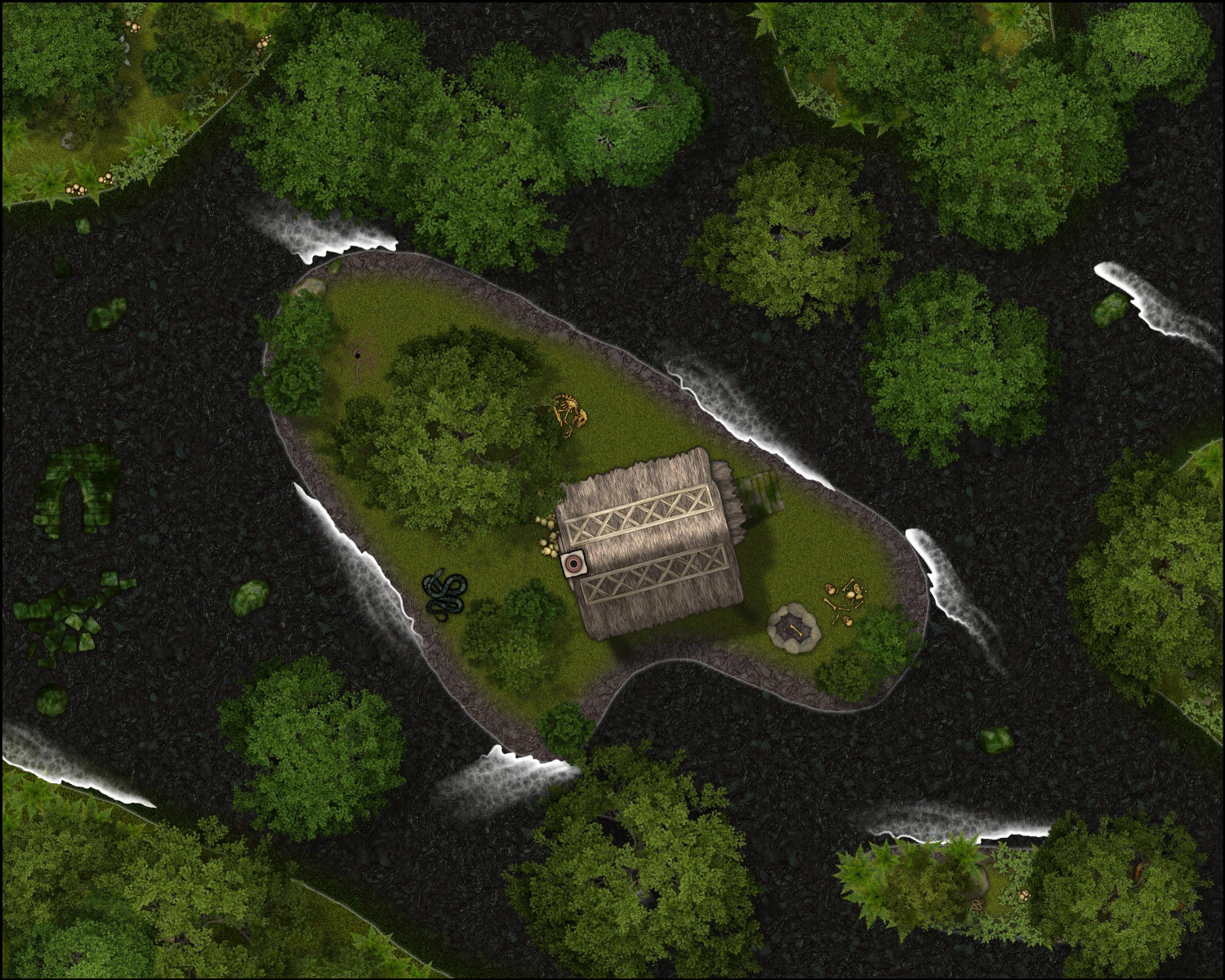
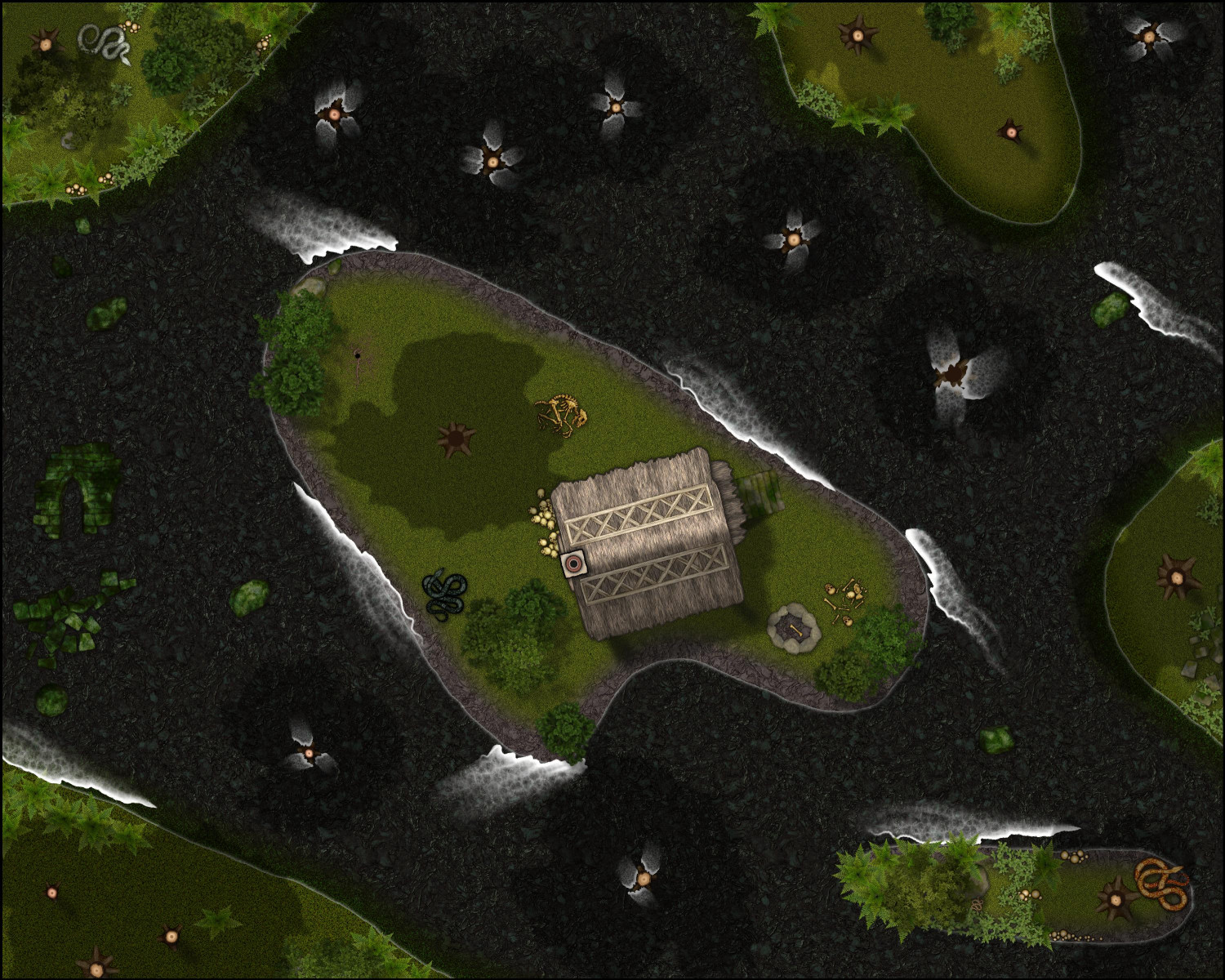
I like the mud from the second two, but I'm not sure it's clear that the trees are growing out of muddy water and not just mud. Maybe if I added more waves, or played with the water effects?
-
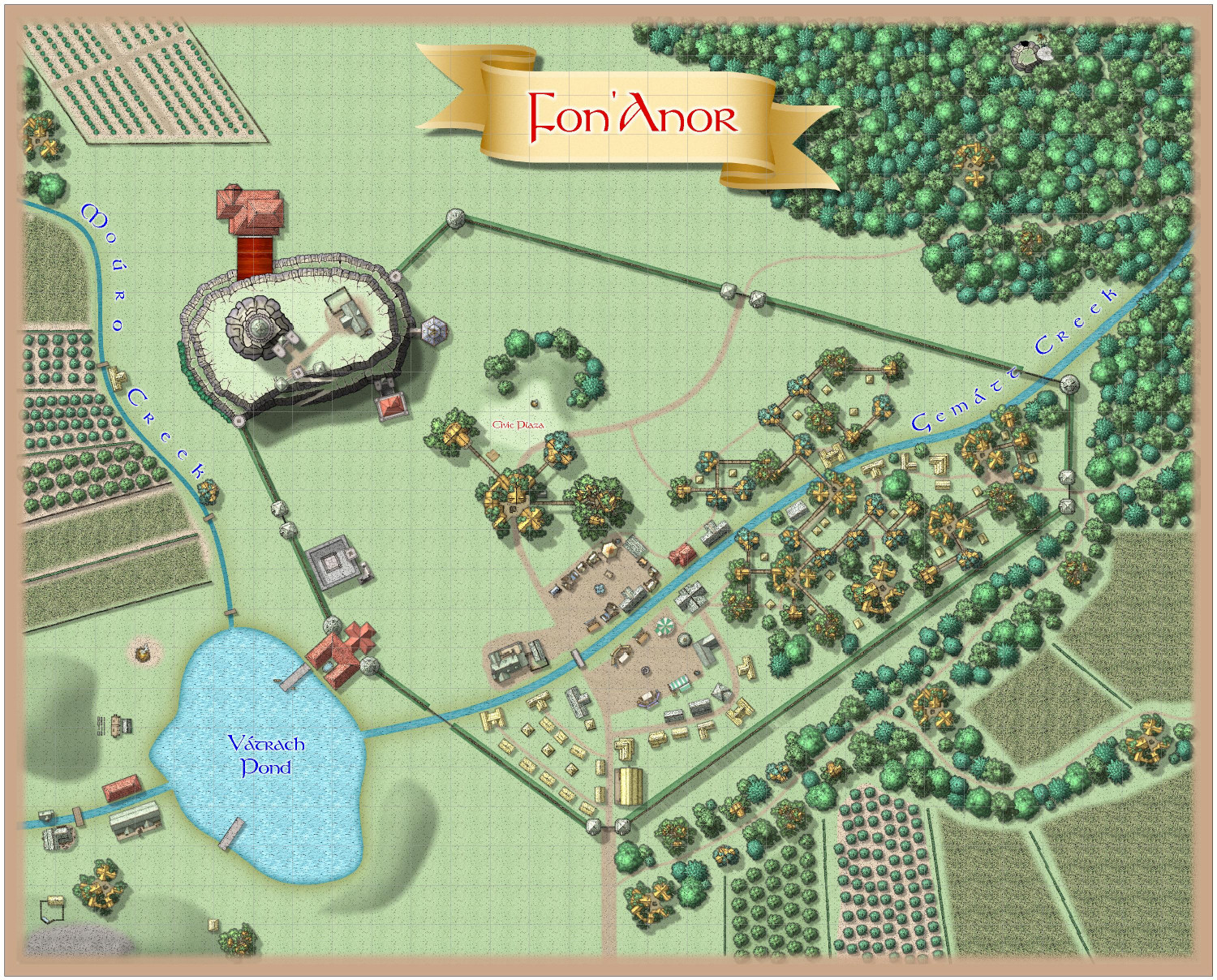
[WIP] Community Atlas Competition - Artemisia - Verinress Arl - Fon'Anar
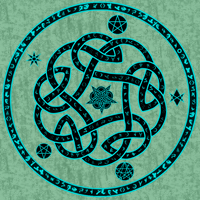
Here's a bit more. More to come, especially fleshing out the empty spots within the village walls. Plus labeling, of course.

-
Community Atlas submissions: the Gold Coast (Doriant) and areas within it
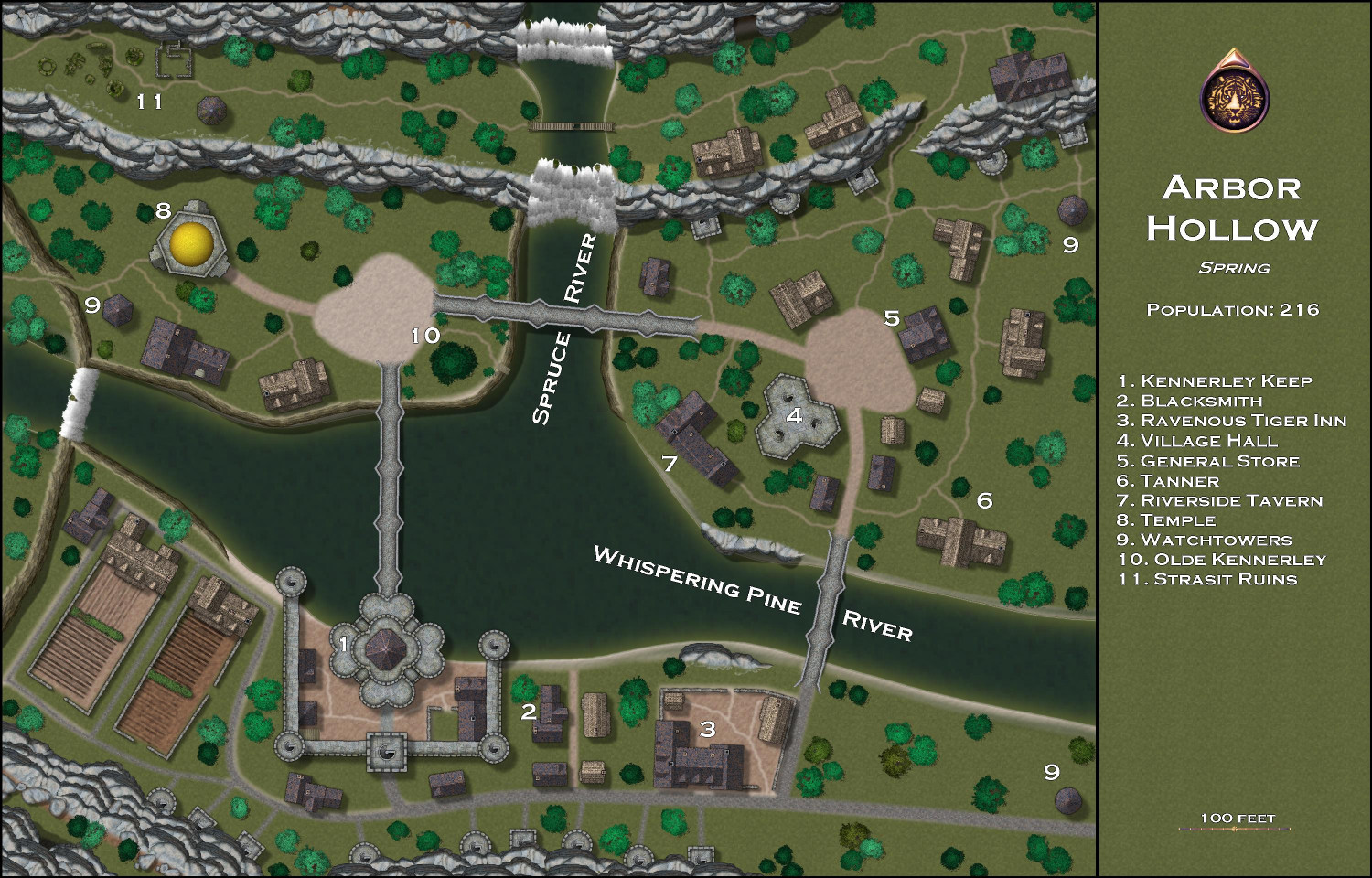
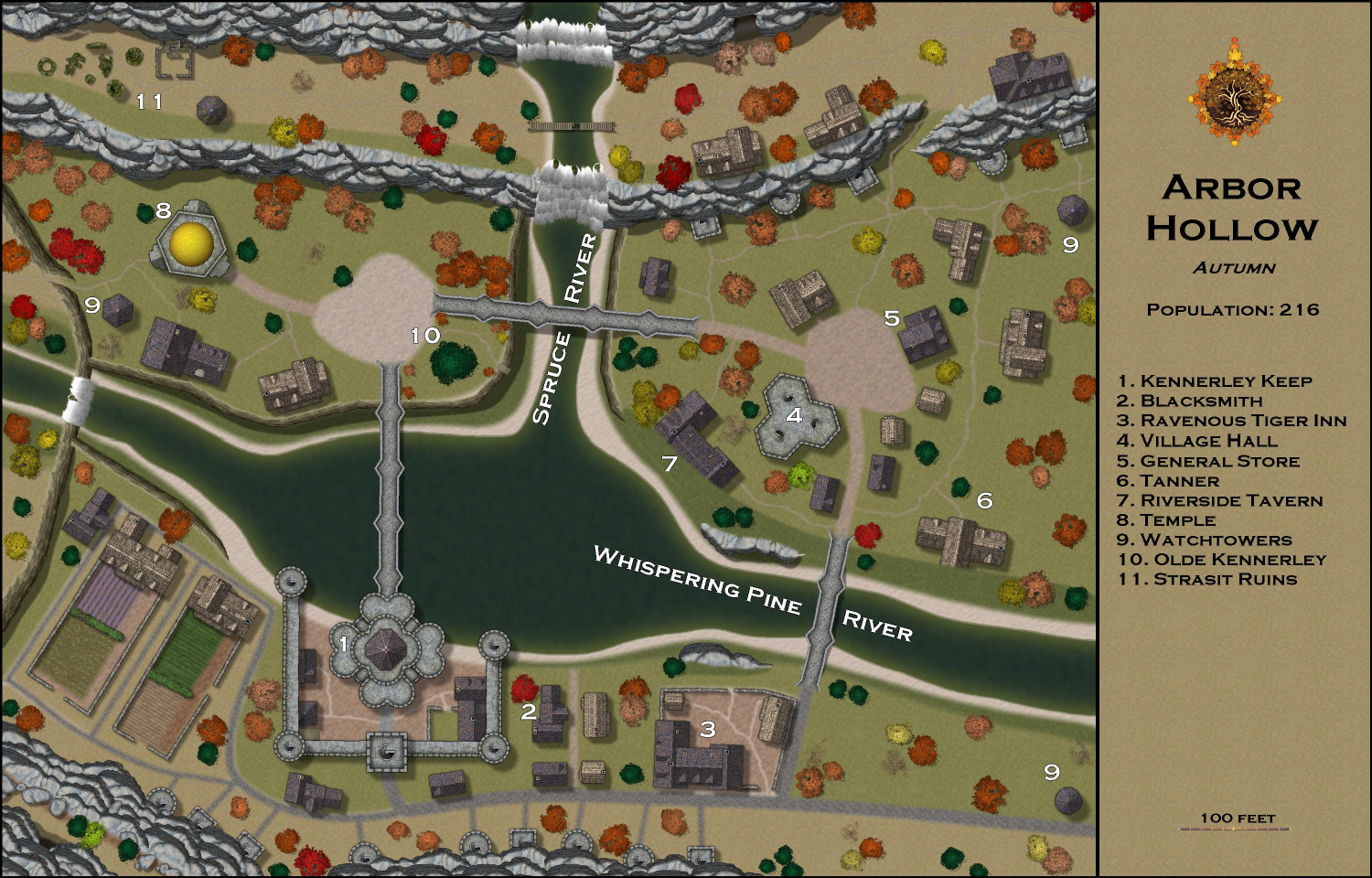
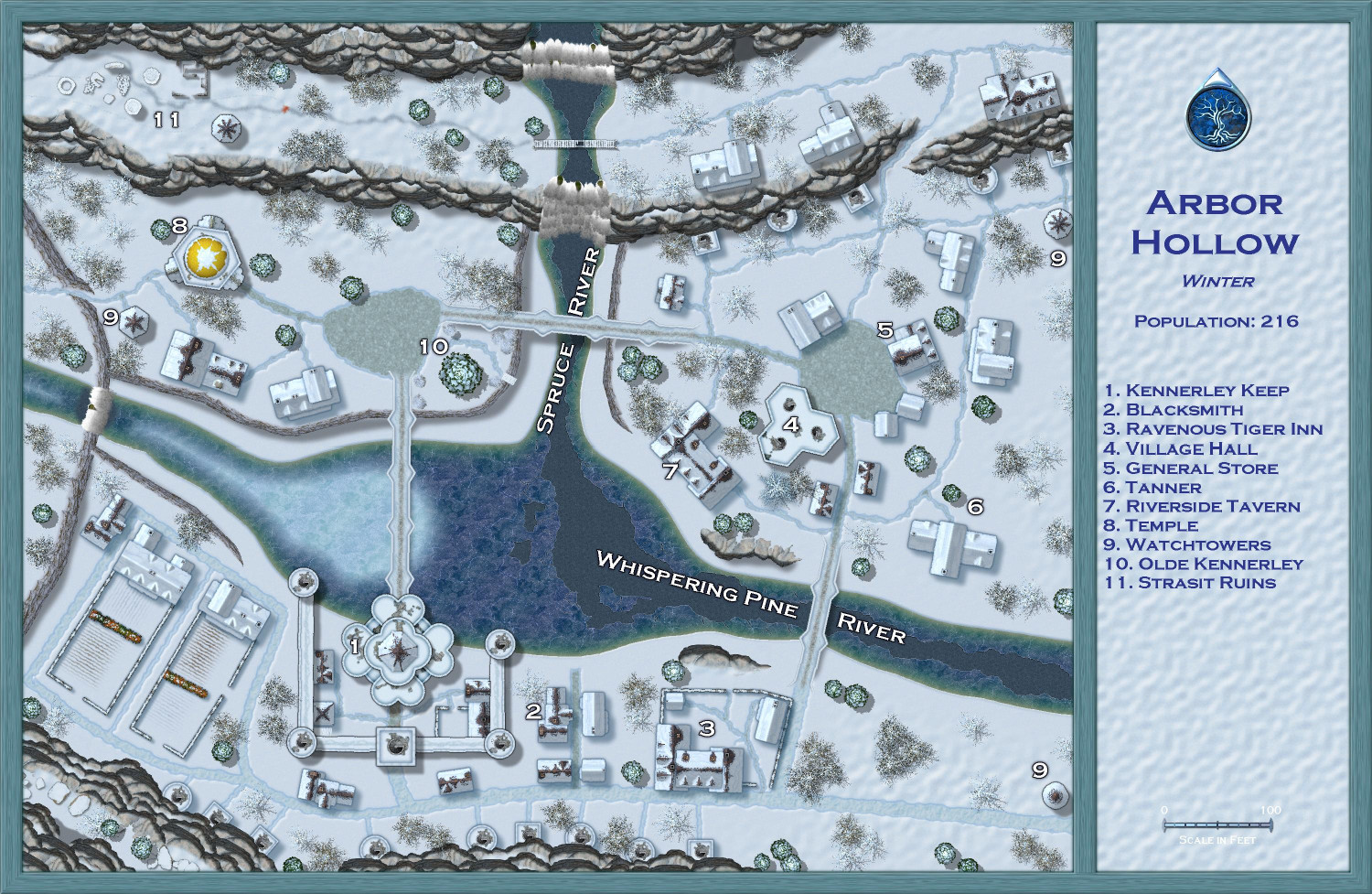
Been out of commission with the flu the last few days, but on the mend now. I wanted to submit the Spring, Autumn, and Winter versions of my village of Arbor Hollow in case Remy finds it easier to process them at the same time as the Summer version, which was submitted as part of the Atlas contest.
Here are images, followed by the FCW files. The description is the same for each, but I will provide again here anyway.

-
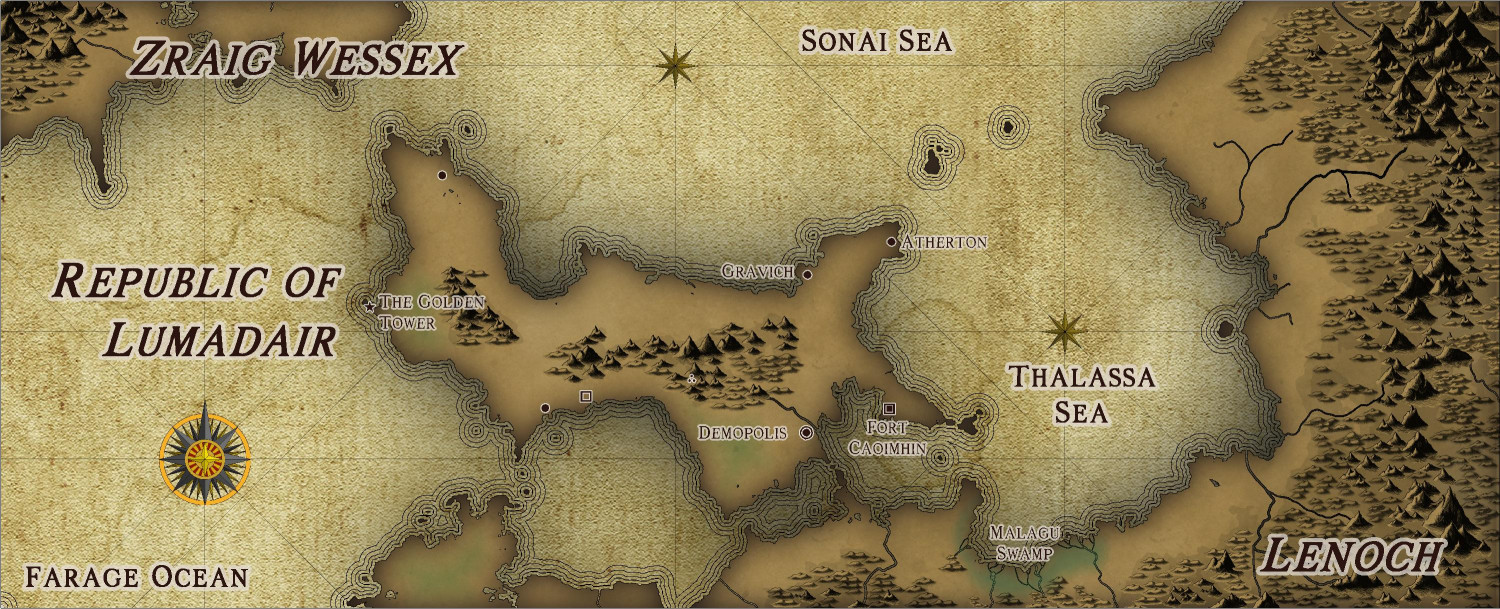
[WIP] Republic of Lumadair - CA218 Fractal Parchment Worlds
Before attempting to do my entire campaign world in the new Fractal Parchment Worlds style, I wanted to try it out with a familiar spot: the Republic of Lumadair.
For this one, I exported Lumadair from Fractal Terrains in the Fractal Parchment Worlds style that Ralf demonstrated in today's Live session. But I also exported a contour map of the same view, and then copied a few of the elevation contours over, then used the Draw Like tool to convert them to the proper contour appearance.

-
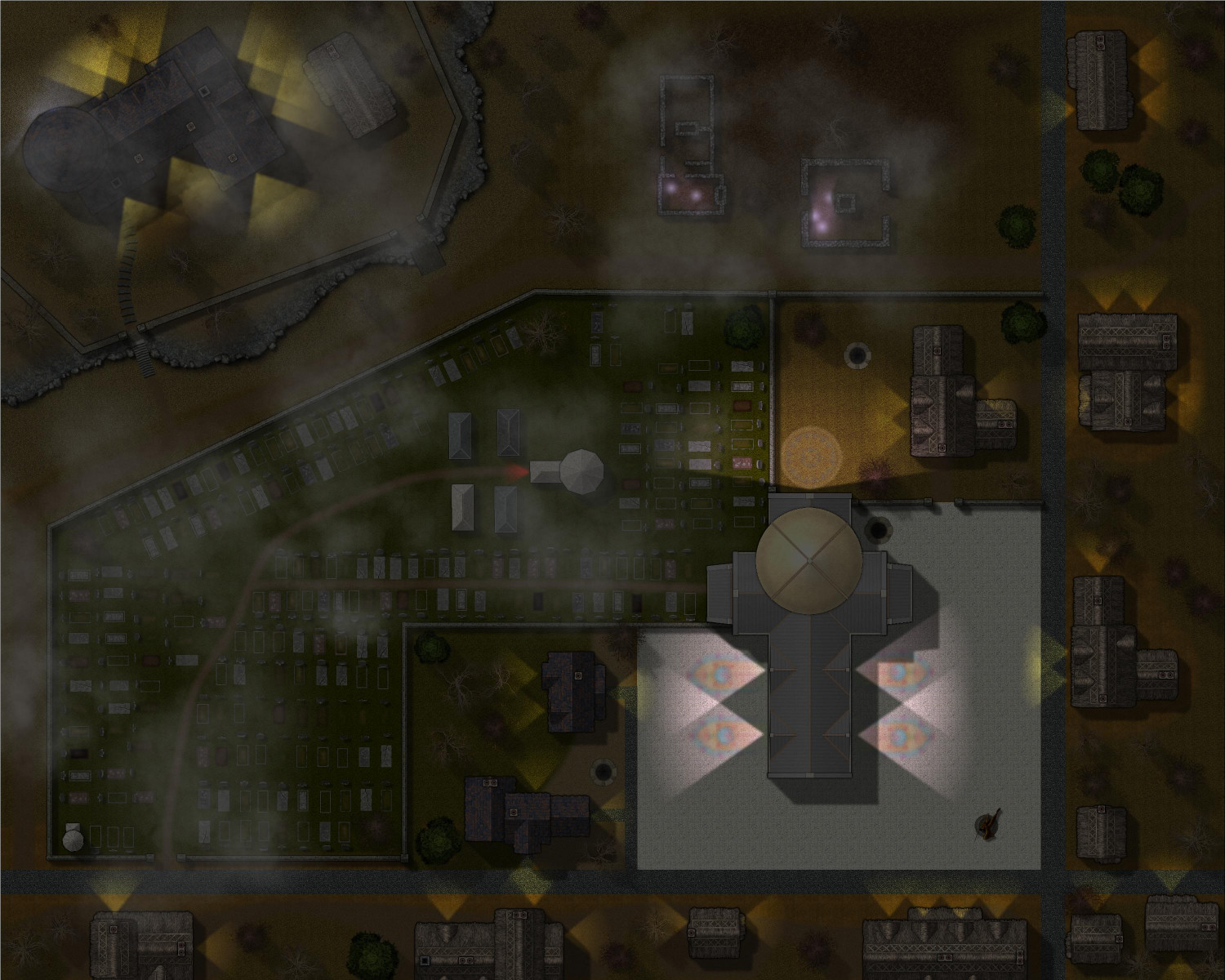
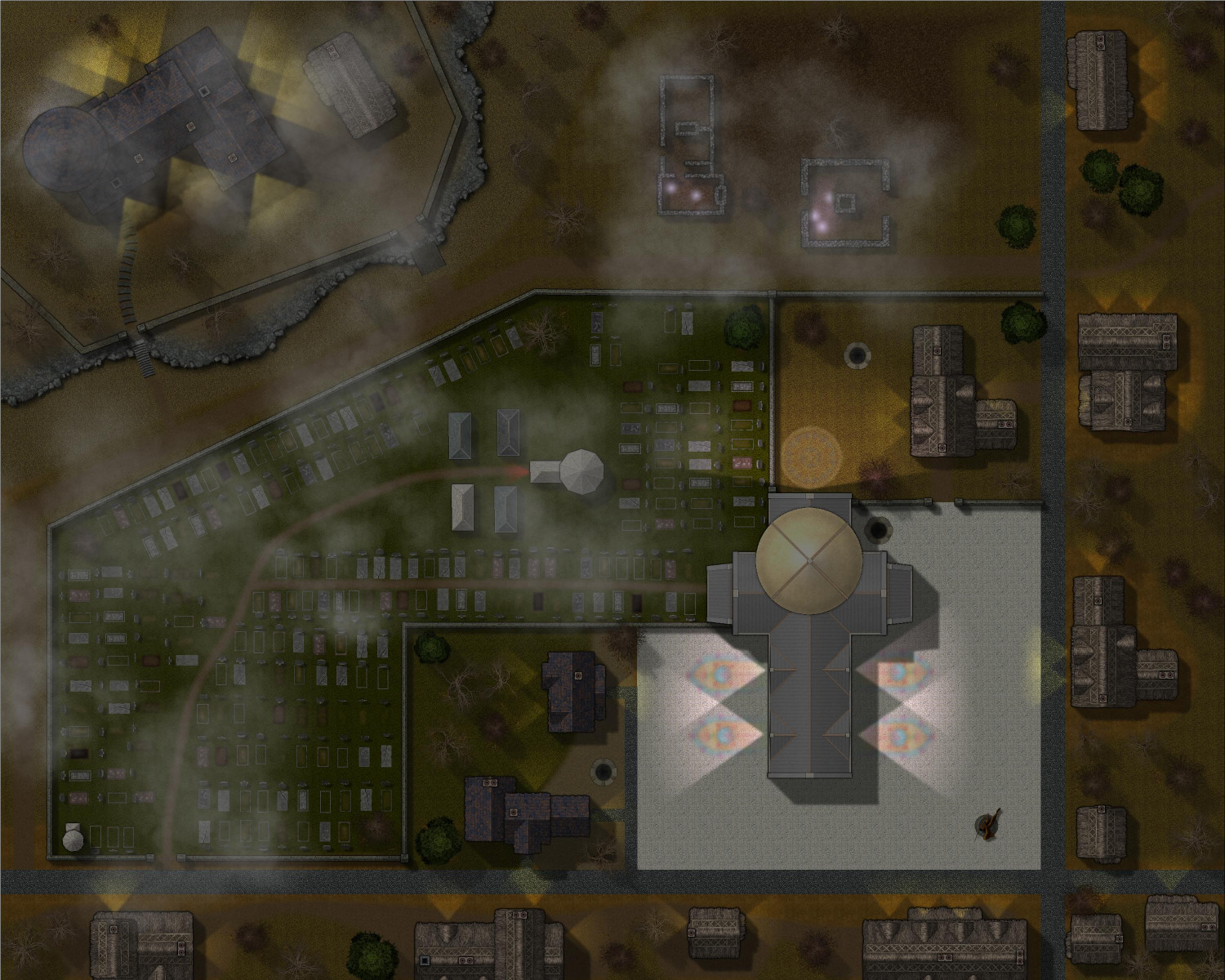
[WIP] Haunted Mansion
Here's a look at it at night, with lights added. I experimented with adding a moon like Jeff B did with his contest entry, but it was creating weird banding effects that I couldn't resolve. Instead, I played with the Shadow-Transparency in the Global Sun settings.
This is 35:
This is 50:
-
[WIP] Marine Dungeons Lighthouse (more May Annual Stairs & Steps)
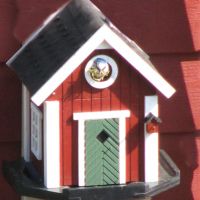
I decided I didn't want to redo the entire tower, so I did some stairs ascending around it from the courtyard as a proof of concept. I do like the idea of stairs winding around a tower. Wonder if I can make it go around multiple times? I have some thoughts on how to do that, but I will save them for another map.
In the meantime, here's how it turned out:
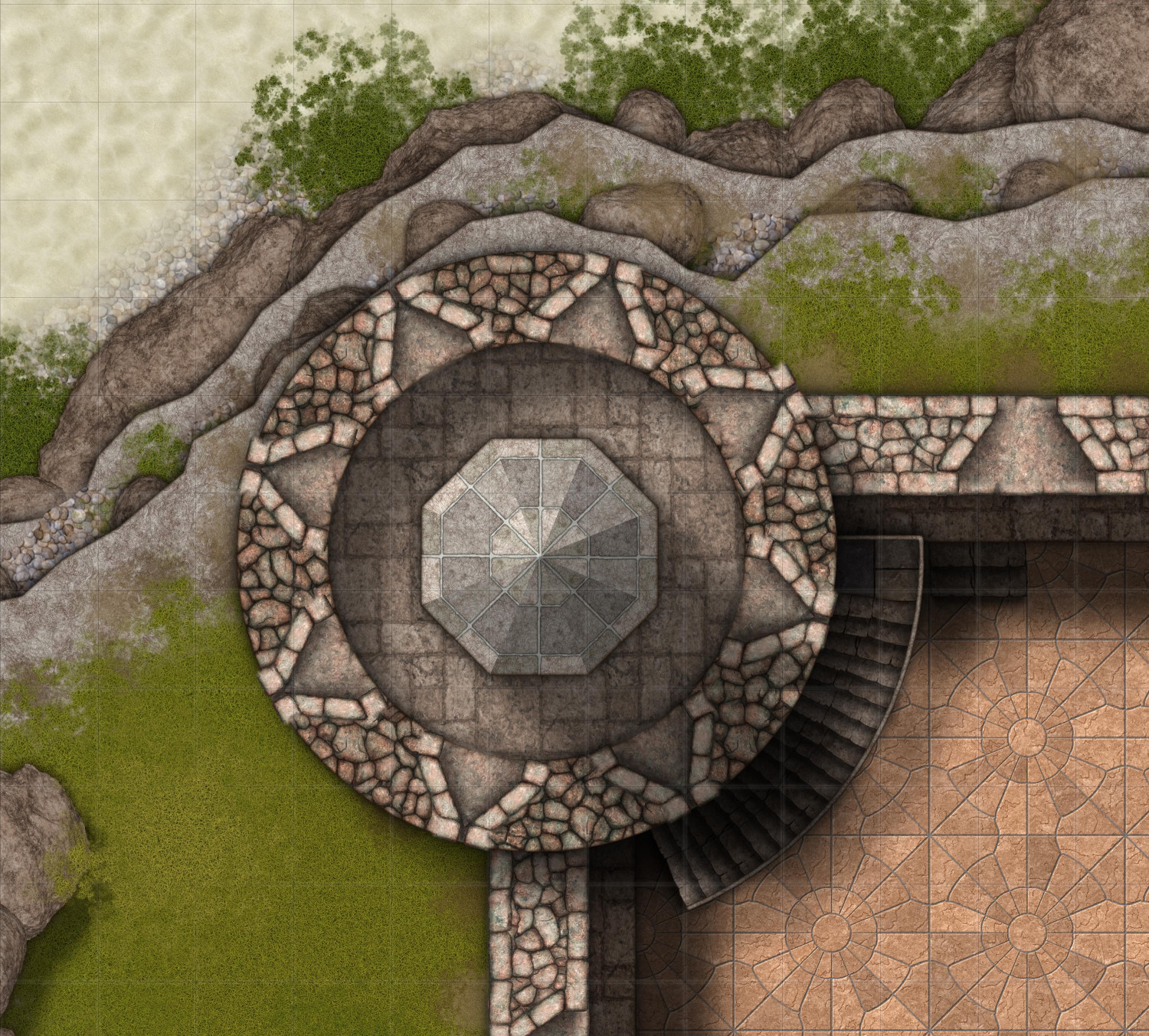
(It's subtle, but beneath the railing there are railing posts, which you can't really see but they cast a subtle shadow.)
Anyway, I'm rushing out the door, but I will make any tweaks when I return and then re-export the maps that show the tower.
-
[WIP] The Sewers of Elmsbrook Township
These are the sewers for Elmsbrook, a town in the human kingdom of Powys in my campaign world. They’re intended to be fairly representative on the sewer systems in my kingdom – smaller villages might have a simpler system, but larger cities will have the same basic layout, but with more extensive canals.
I was hoping to get this done the same month that Sinister Sewers was released, and I barely did it. I still have work to do, and advice to collect, but thought I would post where this stands.
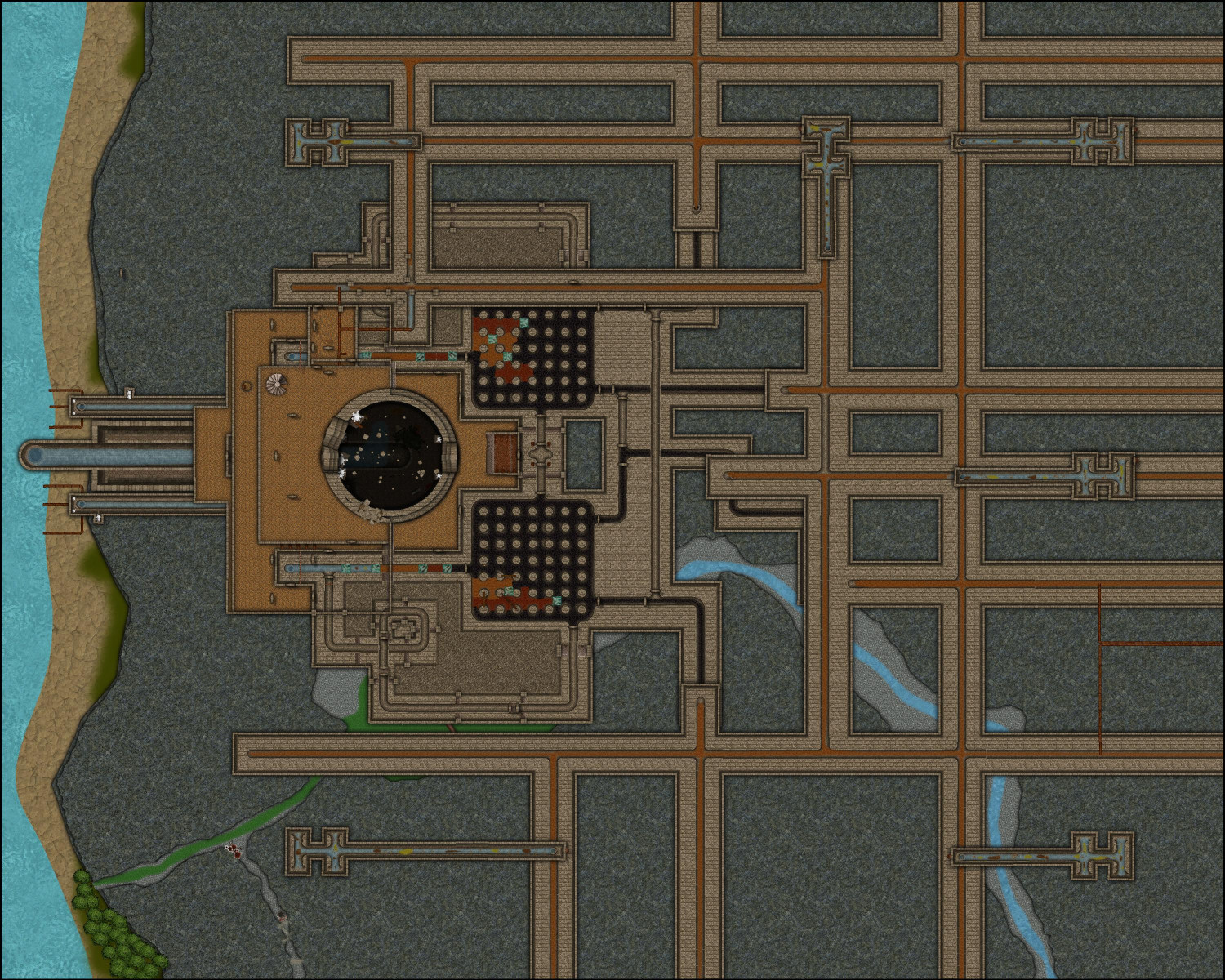
By the way, Sue: it worked putting everything for each level on its own layer, making it easy to display or hide different levels as needed.
In addition to using the symbols and fills from Sinister Sewers, this also uses a few things from Marine Dungeons (particularly the stairs and the bell at the bottom of the pit), and a few things from Forest Trails (leaves, the trees along the beach, and maybe some of the fills) and Creepy Crypts. Also: Sue spent a lot of time helping me come up with a technique to show clear water, but it really worked best close-up. At this scale, it made it look like black water. I ended up using a water fill from Creepy Crypts, but on its own water sheet with a 50% transparency effect added.
In my campaign world, fastidious elves have long understood at a high level the correlation between hygiene, sanitation, and the spread of diseases. (Even if they don’t have the tools to study microbiology and virology, they can study commonalities in infected populations to identify vectors of disease.) Dwarves first developed aqueducts and sewer technology. And it is said that orcs pioneered the use of flesh-eating oozes for waste management.
Oozes are amorphous creatures with an intelligence no greater than an ordinary garden slug, flowing through subterranean lairs to devour any creature or object they can dissolve while shunning things that provoke their flight reflex, like bright lights and extreme temperatures. I have made a few tweaks to oozes in my campaign world to make them better suited for deploying in sewers. I added immunity to poison and diseases. I also added a weakness: sunlight hypersensitivity where, like vampires, they can be damaged by exposure to sunlight. (This is why they avoid bright lights: a bright lantern won’t harm them, but it still triggers their flight reflex.) Sunlight can kill an ooze, causing their acids to neutralize and their bodily remains to collapse into a nutrient-rich goo that farmers often use to fertilize their crops.
Some items of note about specific oozes used in sanitation systems. Gelatinous Cubes can dissolve nonmagical soft tissue and vegetation, leaving behind undissolved bones, metal, glass, stone, and magical items of any sort, along with excess water stripped of anything edible. They cannot climb but can move up slopes with a grade of 25 degrees or less. Moving up a slope with a grade of 10 degrees or more requires the Cube to expel any indigestible materials or excess water. Black Puddings are far more dangerous. In addition to dissolving soft tissue and vegetation, they can also dissolve nonmagical bones, metal, but cannot dissolve glass, stone, or magical items. They can also climb any surface, even upside down. Sanitation workers employ bright lights to keep Black Puddings from escaping (and an ample food supply keeps them from seeking to escape). And finally, I created a new ooze called a Voracious Sullage. It’s a slow-moving, weaker version of the Gelatinous Cube, unable to maintain a cubic shape. It tends to stretch itself across small waterways so that anything edible flows to it (and anything it can’t eat gets expelled on the other side).
Here's a quick summary of how the sanitation system works. More specifics for each level of the sewer system will follow in the comments.
Surface (not shown): Storm drains at the intersections of major streets, with a manhole cover at one of the corners than allows maintenance workers to descend using rungs. There is also a large Waste Management Facility where residents can dispose of large objects that cannot be repaired or repurposed (such as items that cannot be chopped up for kindling). Maintenance workers throw these items into a giant pit nicknamed the Great Maw that is about 140 feet in diameter. The surface of this pit is in a building that is covered at night but open to the sky during the day. Bright luminescent crystals are placed near the mouth of the pit to frighten away the Black Pudding at the bottom of the pit.
Level 1: This level is immediately below the surface. Storm drains at major intersections deposit rainwater (along with other debris) here, where they run off to chutes that bring wastewater to Level 2.
Level 2: Wastewater from Level 1 is deposited here, where it helps push through human waste from outhouses and latrines that are connected to the sewer system. This sewage flows through chutes down to Level 3.
Level 3: Waste brought in from Levels 1 and 2 are treated here in two great chambers called Auditoriums. Numerous Gelatinous Cubes gobble up the waste, leaving behind items they cannot digest, and now-clean water stripped of contaminants. This purified water drops through chutes to Level 4.
Level 4: Primarily a passthrough level, and the lowest level that maintenance workers normally go.
Level 5: A Black Pudding lives at the base on the Great Maw, devouring any waste thrown into the pit. It can eat nonmagical flesh, vegetation, and metal, but cannot digest stone, glass, or magical objects of any sort. Water purified in Level 3 descends to this level, where some passes directly to the sea and the rest is used to flush out anything the Black Pudding cannot digest.
More details for each level in the comments.


