


Monsen
Monsen
About
- Username
- Monsen
- Joined
- Visits
- 723
- Last Active
- Roles
- Administrator
- Points
- 9,029
- Birthday
- May 14, 1976
- Location
- Bergen, Norway
- Website
- https://atlas.monsen.cc
- Real Name
- Remy Monsen
- Rank
- Cartographer
- Badges
- 27
Latest Images
-
Supplemental to Humble Bundle
Works perfectly fine for me too. And I checked the source code of the website, the link is as a plain standard link as they gets, no fancy javascript or popups or confirmations or anything weird that could potentially fail, it is just a link straight to the file.
I would recommend you try a different browser.

-
Converting old CC-DOS maps to CC3+
@Thorf wrote
Would you be able to export the rest of the set to PNG from CC-DOS?
Sure. What resolution do you want them exported in? The ones in the forum where exported in 2000 x 1500, the ones in the gallery 8000 x 6000
@Loopysue wrote:
Is this a style we can still use in CC3+ to make new maps?
Yes. It is not defined as a style in CC3+, but the symbols are all there, and the rest is just (fractal) lines.

-
Live Mapping: Temple of Secrets
It's my turn to entertain you with a little Thursday night live streaming, and this week, I'll go for a simple DD3 dungeon with some pleasant surprises for unwelcome visitors.
Time is Thursday 18:00 CET. Check the YouTube video below for times in your timezone, as well as access the reminder.


![[Deleted User]](https://secure.gravatar.com/avatar/c75d9a245b74d9c59be0999ea81ca541/?default=https%3A%2F%2Fvanillicon.com%2F92add7f8c954488718110edc4896ad39_200.png&rating=g&size=200)

-
Converting old CC-DOS maps to CC3+
Not reliably. The old CC-DOS used a list of numbered fonts. I can tell what font number they used, and if they used the default font list, I can do some assumptions from that, but I already know they didn't use the defaults thanks to the Symbols2 font which I had to manually add to position 7.
Arial is just a placeholder when the actual font is not found. I can guarantee that the old maps did not use arial, but due to the limited resolution in DOS, maps would tend to use mostly plain fonts.
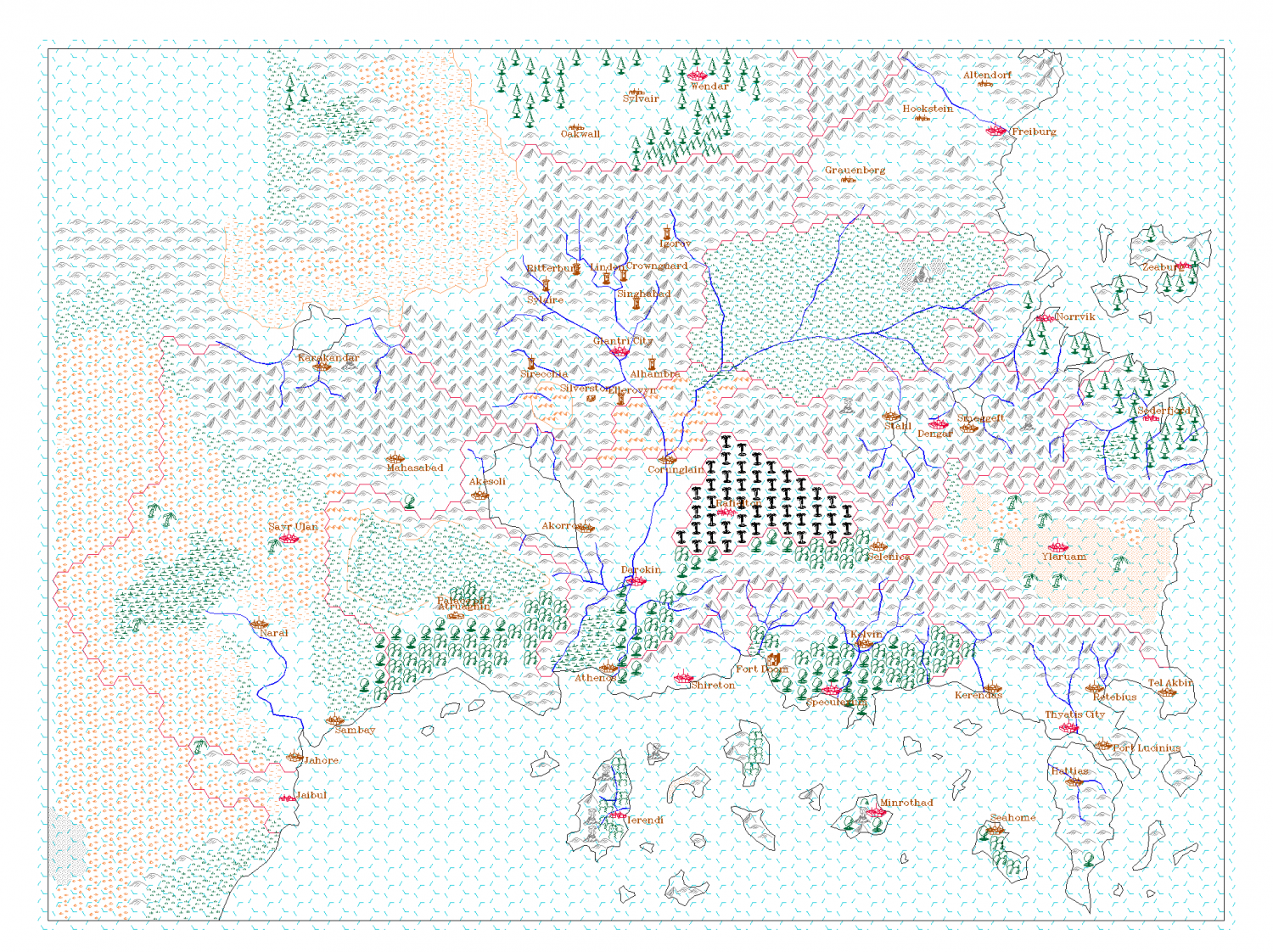
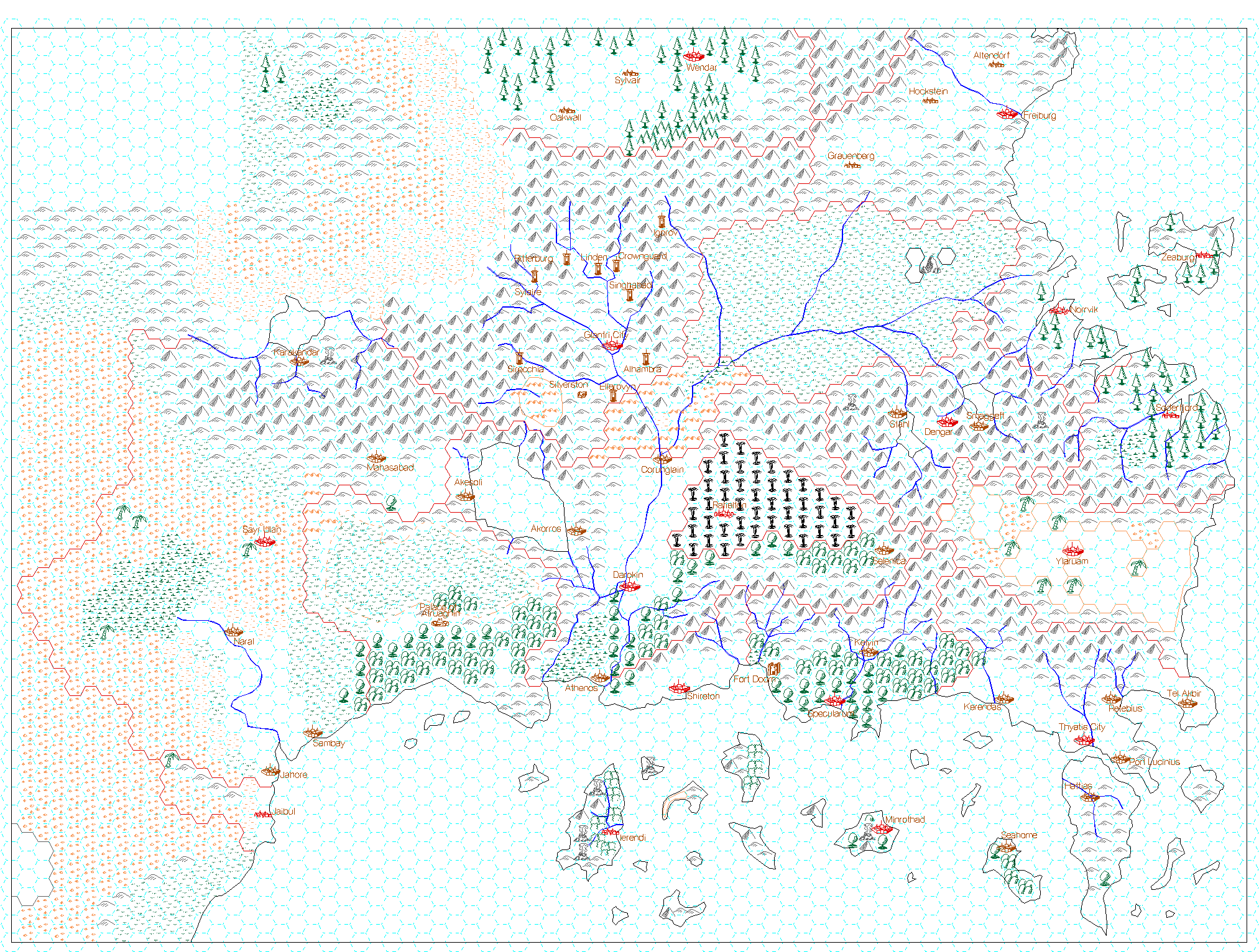
Here is an export of the Sebrun map from CC-DOS, which you can compare to the CC3 result below. Mostly very similar, but you can pick out a few small differences.
I've put hi-res version of these in my gallery, but because on heavy reliance on 0-width lines, this makes them look horrible when zoomed out, but you can appreciate the detail when looking at them in 100% zoom (hint: middle click the thumbnails in the gallery to open the map in a new tab instead of the gallery viewer, this allows you to use the browser's zoom capabilities)



-
1st maps with cc3+/dd3
Nicely done. These are good maps. That road in the top map looks like it could be improved with a bit of an edge fade though, or something else to break up that very hard edge.